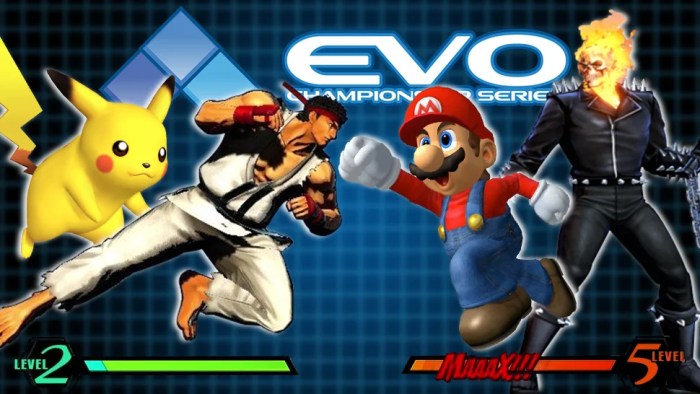
Get ready to rumble! The world of fighting game tournaments is a vibrant, ever-evolving spectacle of skill, strategy, and showmanship. From humble beginnings in arcades to massive, internationally televised events, these competitions have captivated audiences and propelled players to stardom. We’ll explore the rich history, complex formats, lucrative sponsorships, passionate communities, and the bright future of this electrifying esports landscape.
This journey will take us through the evolution of tournament structures, from simple single-elimination brackets to the intricate, multi-stage affairs we see today. We’ll delve into the crucial role of sponsors and prize money in attracting top talent and boosting viewership, and examine the unique culture that surrounds these events – from dedicated fans cheering on their favorites to the intense training regimes of professional players.
Prepare for a deep dive into the business, the community, and the breathtaking action that defines fighting game tournaments!
History of Fighting Game Tournaments
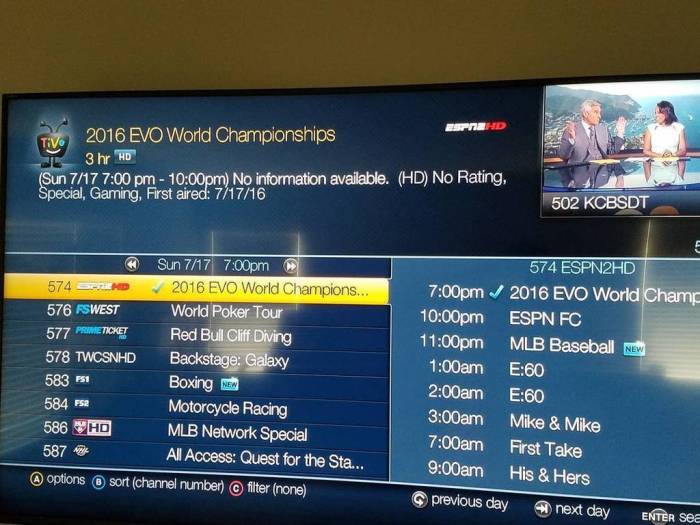
The evolution of fighting game tournaments is a fascinating journey, mirroring the growth of the fighting game genre itself. From humble beginnings in arcades to massive, globally televised spectacles, the competitive scene has exploded, fueled by passionate players, innovative game mechanics, and ever-evolving technology. This journey showcases not only the increasing popularity of fighting games, but also the dedication and creativity of the communities that built them.
Early fighting game tournaments were largely grassroots affairs, born from the competitive spirit inherent in arcade culture. Players would gather, often informally, to test their skills against each other, fueled by the thrill of victory and the sting of defeat. The rise of Street Fighter II in the early 1990s served as a major catalyst, transforming these casual gatherings into organized events with growing prize pools and increasing viewership.
Early Tournaments and Their Impact
The early to mid-1990s saw the emergence of significant tournaments that laid the groundwork for the modern fighting game scene. Evo, initially known as Evolution Championship Series, stands out as a pivotal event. While early Evo events were smaller in scale compared to today’s massive productions, they established a standard for tournament organization and professionalism, attracting top players from across the country and fostering a sense of community.
Other notable early tournaments, though perhaps less remembered today, played crucial roles in establishing regional scenes and nurturing competitive talent. These events, often held in arcades or dedicated gaming centers, fostered a strong sense of community and rivalry among players, laying the groundwork for the future growth of the competitive scene. The sheer energy and excitement of these early events, captured in grainy VHS recordings, serves as a powerful testament to the enduring appeal of competitive fighting games.
Significant Milestones and Pivotal Moments
Several key moments significantly shaped the trajectory of fighting game tournaments. The introduction of online play, though initially fraught with challenges like lag and connection issues, eventually revolutionized the scene, allowing players from across the globe to compete against each other with unprecedented ease. This accessibility led to a dramatic increase in the number of participants and viewers, expanding the competitive landscape significantly.
The rise of streaming platforms like Twitch and YouTube further propelled the growth of the fighting game community, providing a global audience for tournaments and allowing aspiring players to learn from the best. The increasing professionalism of the scene, with sponsorships, prize pools, and dedicated organizations, has also contributed to its expansion. The growth of prize pools, from relatively modest amounts in the early days to six-figure sums and beyond in modern tournaments, reflects the increasing recognition and value placed on competitive fighting games.
We can visualize this growth as a steep upward curve on a graph, demonstrating exponential growth in both participation and viewership.
Timeline of Key Developments
To better understand the evolution, let’s consider a timeline highlighting key advancements:
| Year | Event/Development | Significance |
|---|---|---|
| Early 1990s | Emergence of Street Fighter II; early, informal tournaments in arcades. | The birth of the competitive fighting game scene. |
| Mid-1990s | First Evolution Championship Series (Evo) events. | Establishment of a standard for tournament organization and professionalism. |
| Late 1990s – Early 2000s | Rise of Tekken and other fighting game franchises; increasing popularity of online play. | Expansion of the competitive landscape and introduction of online competition. |
| 2010s – Present | Growth of streaming platforms; massive increase in prize pools and viewership; greater professionalization of the scene. | Transformation of fighting game tournaments into major esports events. |
Tournament Formats and Structures
The structure of a fighting game tournament significantly impacts the player experience, the fairness of competition, and the overall flow of the event. Choosing the right format depends on factors like the number of participants, the available time, and the desired level of competitiveness. Let’s delve into some common formats and their characteristics.
Single-Elimination Tournament Format
Single-elimination is the most straightforward format. Players are paired in matches, and the loser of each match is eliminated from the tournament. This continues until only one player remains, crowned the champion. This format is quick and efficient, especially for large tournaments. However, a single bad match can eliminate even the most skilled players early on.
Imagine a situation where the top seed unexpectedly loses their first match due to a bad matchup or a momentary lapse in concentration; they’re out.
Double-Elimination Tournament Format
Double-elimination offers a second chance. Players are placed in a Winners’ Bracket and a Losers’ Bracket. Losses in the Winners’ Bracket send players to the Losers’ Bracket. Players must win multiple matches in the Losers’ Bracket to advance, eventually meeting the Winners’ Bracket champion in a grand final match. This format is generally considered fairer, as it allows players to recover from early losses.
The Evo Championship Series, a major fighting game tournament, often uses a double-elimination format.
Round-Robin Tournament Format
In a round-robin format, each player competes against every other player in the tournament. The player with the most wins at the end is declared the champion. This format provides extensive gameplay and allows for a more comprehensive evaluation of player skill. However, it’s extremely time-consuming and only practical for smaller tournaments. Imagine a tournament with 8 players; each player would have to play 7 matches.
Hypothetical Tournament Bracket: Double-Elimination, 8 Players
For a hypothetical 8-player tournament, a double-elimination format would be ideal. The initial Winners’ Bracket would be a simple 4-player bracket, with players seeded 1-4. The losers would drop into the Losers’ Bracket, which would then incorporate the winners of the first round in the Winners’ Bracket. This creates a more robust and resilient tournament structure. The design choice is based on the balance between time efficiency and fairness.
Comparison of Tournament Formats
| Format | Pros | Cons | Suitable Player Count |
|---|---|---|---|
| Single-Elimination | Fast, efficient, easy to understand | Unforgiving, one bad match eliminates players | Large (16+) |
| Double-Elimination | Fairer, second chances, more competitive | Longer, more complex | Medium (8-32) |
| Round-Robin | Comprehensive evaluation of skill, every player plays every other player | Time-consuming, only suitable for small tournaments | Small (≤8) |
The Role of Sponsors and Prize Money
The rise of competitive fighting games to a global spectator sport wouldn’t have been possible without the crucial role of sponsors and the ever-increasing prize pools they help create. These elements are intrinsically linked, fueling a positive feedback loop that benefits players, organizers, and viewers alike. The injection of capital not only elevates the prestige of tournaments but also directly impacts the quality of competition and the overall viewing experience.Sponsorships significantly influence the growth and popularity of fighting game tournaments by providing the financial backing necessary for their operation.
Without this support, many events, particularly larger-scale international competitions, simply wouldn’t be feasible. The funding allows for improved venue selection, enhanced streaming production quality, better player accommodations, and, most importantly, larger prize pools that attract the world’s best players. This increased participation then draws in a larger audience, creating a more lucrative opportunity for future sponsors.
Sponsor Influence on Tournament Growth
Successful sponsorships in fighting game tournaments often involve a strategic alignment between the sponsor’s brand and the tournament’s audience. For example, energy drink companies, known for their association with competitive gaming and esports in general, frequently sponsor fighting game events. Their marketing campaigns often leverage the tournament’s reach to connect with a young, engaged, and digitally savvy demographic.
Other sponsors might focus on peripheral gaming hardware or software, showcasing their products during the event and offering viewers opportunities to win prizes. A successful strategy typically involves prominent branding during the stream, integration into tournament graphics and marketing materials, and possibly even dedicated sponsor segments during the broadcast.
Impact of Increased Prize Pools on Player Participation and Viewership
The impact of increased prize pools on attracting top players and viewership is undeniable. Larger prize money incentivizes professional players to dedicate more time and resources to training and competing, leading to a higher skill level of gameplay. This heightened competition, in turn, draws in a wider audience of viewers eager to witness high-level matches. The financial stakes also raise the stakes of the competition, creating a more dramatic and exciting viewing experience.
The growth of prize pools can be seen in major fighting game tournaments like EVO, which has seen a dramatic increase in its prize pool over the years, attracting top players and setting records for viewership. This increase isn’t just about the money; it represents a growing recognition of the professional status of fighting game players and the value of their skills.
Examples of Successful Sponsorships and Their Strategies
Red Bull’s long-standing involvement in esports, including fighting games, serves as a prime example of a successful sponsorship strategy. Their consistent support of numerous tournaments, coupled with targeted marketing campaigns that resonate with the fighting game community, has solidified their position as a key player in the scene. Similarly, companies like Razer, a leading manufacturer of gaming peripherals, have effectively integrated their products into tournaments, offering giveaways and showcasing their equipment during broadcasts.
Their strategy focuses on direct product exposure and community engagement. These sponsorships are not simply financial transactions; they represent a commitment to fostering the growth and sustainability of the competitive fighting game ecosystem.
Comparison of Sponsorship Models Across Tournament Circuits
Different fighting game tournament circuits employ varying sponsorship models. Some circuits rely heavily on a few major sponsors providing significant funding, while others utilize a more diversified approach with numerous smaller sponsors. The EVO Championship Series, for instance, has historically attracted major sponsors, while smaller regional tournaments may rely on a broader base of local sponsors or crowdfunding initiatives.
The choice of model depends on the scale and reach of the tournament, the available sponsor pool, and the overall strategy of the organizers. Each approach presents unique challenges and advantages; a diverse sponsor base may offer more stability but require more extensive outreach, whereas a few major sponsors may provide substantial funding but might entail stricter branding guidelines.
The Community and Viewership
The fighting game community is a vibrant and passionate ecosystem, crucial to the success and evolution of fighting game tournaments. Its influence extends far beyond simply attending events; it actively shapes the games themselves, the tournament formats, and the overall experience for both players and spectators. This passionate group fuels the growth and longevity of the competitive scene.The community’s influence is multifaceted.
Players provide constant feedback on game balance and mechanics, directly impacting developers’ decisions on patches and updates. The community also fosters a culture of innovation, with players constantly discovering and sharing new techniques and strategies, adding layers of complexity and excitement to the competitive landscape. This organic development, driven by player ingenuity, is a key differentiator for fighting games compared to many other esports.
Fan Engagement with Fighting Game Tournaments
Fans engage with fighting game tournaments in diverse and impactful ways. Many follow their favorite players through streaming platforms like Twitch and YouTube, contributing to the immense viewership these events attract. The rise of streaming has democratized access to high-level gameplay, exposing the sport to a much wider audience than ever before. Others attend tournaments in person, creating an electrifying atmosphere and directly supporting the scene.
This physical presence provides a unique energy and fosters a strong sense of community among attendees. Beyond simply watching, fans actively participate in online discussions, forums, and social media, sharing their opinions, analyzing matches, and creating content around the tournaments. This constant interaction fuels the conversation and keeps the community engaged even between events.
The Growth of Online Viewership and its Impact
The growth of online viewership has been nothing short of phenomenal. Platforms like Twitch and YouTube have become essential for broadcasting fighting game tournaments to a global audience. This accessibility has significantly increased the popularity of the tournaments, attracting sponsors and expanding the prize pools. The ability to watch matches from anywhere in the world has broadened the appeal, allowing fans who might not be able to attend events in person to still be a part of the excitement.
The high viewership numbers, in turn, make fighting game tournaments more attractive to sponsors, leading to a positive feedback loop that benefits both the players and the community. For example, EVO, a major fighting game tournament, consistently draws millions of online viewers, demonstrating the significant reach of these events.
The Typical Attendee at a Major Fighting Game Tournament
The typical attendee at a major fighting game tournament is a highly diverse individual. While there is no single archetype, several common characteristics emerge. Many attendees are highly skilled players themselves, eager to compete or simply watch high-level gameplay. Others are passionate fans who appreciate the strategic depth and skillful execution of the games. The community is known for its inclusivity, welcoming players and spectators from diverse backgrounds and skill levels.
A common thread uniting attendees is a shared passion for the games, the competitive spirit, and the unique community surrounding them. You might find seasoned veterans who’ve been following the scene for decades alongside newcomers just discovering the thrill of competitive fighting games. This blend of experience and enthusiasm contributes to the vibrant and welcoming atmosphere of these events.
They are often highly engaged, actively participating in discussions and cheering on their favorite players. Many also appreciate the social aspect, making connections with other fans and fostering a sense of belonging within the community.
Professional Players and Teams
The world of competitive fighting games wouldn’t exist without the dedication and skill of its professional players. These individuals, often organized into teams, dedicate countless hours to mastering complex game mechanics, developing unique strategies, and pushing the boundaries of what’s possible within each game’s competitive landscape. Their influence extends far beyond tournament wins; they shape the meta, inspire aspiring players, and contribute significantly to the growth of the fighting game community as a whole.
Professional fighting game players employ rigorous training regimes and sophisticated strategies to achieve peak performance. This dedication often involves extensive practice sessions, meticulous study of opponent playstyles, and constant refinement of their own techniques. Beyond mechanical skill, strategic thinking, mental fortitude, and adaptability are crucial components of success. They analyze match footage, develop counter-strategies, and constantly adapt to evolving meta-games.
Key Figures and Influential Players
The fighting game community boasts a rich history of influential players who have left indelible marks on the competitive scene. Players like Daigo Umehara (Street Fighter), EVO Moment #37 is legendary for his perfect parry, showcasing the peak of his skill and the captivating nature of fighting game competition. Justin Wong’s consistent top-tier performances across multiple games have solidified his status as a true legend.
Lee “Infiltration” Seon-woo’s incredible technical skill and strategic depth, particularly in Street Fighter IV and V, has consistently challenged the top players in the world. These individuals, along with many others, have not only won numerous championships but have also shaped the way the game is played and perceived.
Training Regimes and Strategies
Professional players’ training often involves hundreds of hours of practice per week. This practice isn’t just mindless button mashing; it involves dedicated time spent on fundamentals like execution, frame data analysis, and character-specific combos. They meticulously study opponents’ gameplay, identifying weaknesses and exploiting them. Advanced techniques like mind games, neutral game strategies, and understanding match-ups are crucial elements of their training.
Many players utilize advanced tools like training mode and replays to perfect their execution and analyze their performance. For example, practicing specific combos until they become muscle memory is a common practice, along with creating and practicing optimal strategies for different match-ups.
Team Building and Management in Fighting Game Esports
Team building in fighting game esports varies greatly. Some teams focus on building a roster of diverse characters and playstyles, allowing them to adapt to any opponent. Others prioritize a cohesive team dynamic, fostering collaboration and shared knowledge. Team management involves securing sponsorships, managing player contracts, and providing support such as coaching and travel arrangements. Effective team management can be the difference between success and failure at the highest level of competition.
For instance, a team with a strong coach who understands character matchups and can provide tailored strategies might significantly outperform a team lacking such support.
Top 5 Most Influential Players and Their Impact
The selection of the top 5 most influential players is inherently subjective, as different players have impacted the scene in various ways. However, considering their longevity, skill, and influence on the community, a possible list includes:
This list is not exhaustive, and many other players deserve recognition for their contributions. The impact of these players extends beyond their tournament wins; they’ve shaped the meta, inspired new players, and contributed significantly to the growth and popularity of fighting games as an esport.
- Daigo Umehara: His legendary EVO Moment #37 and consistent top-tier performances across multiple Street Fighter titles have cemented his place as a global icon, inspiring countless players.
- Justin Wong: Known for his exceptional adaptability and mastery across various fighting game franchises, his consistent high placements and innovative strategies have influenced generations of players.
- Lee “Infiltration” Seon-woo: His unparalleled technical skill and strategic prowess, particularly in Street Fighter, have set a high benchmark for the competitive scene.
- Tokido: A renowned Street Fighter player known for his aggressive and unpredictable style, his achievements and influence on the game’s meta are undeniable.
- Evo Moment #37: While not a player, this iconic moment in fighting game history showcases the drama and skill involved, profoundly impacting the perception and popularity of the genre.
The Business of Fighting Games
The fighting game tournament scene, once a niche hobby, has blossomed into a surprisingly lucrative industry. From small, local gatherings to massive international spectacles, the financial landscape is complex, involving a delicate balance of revenue streams, expenses, and community engagement. Understanding the business side is crucial for organizers aiming for success, and for sponsors looking to capitalize on the growing viewership.Tournament organizers need to carefully consider multiple revenue streams to ensure profitability.
The financial health of a fighting game tournament depends on a well-structured business plan, encompassing diverse income sources and effective cost management.
Revenue Streams for Tournament Organizers
Several key revenue streams contribute to the financial success of fighting game tournaments. These sources vary in significance depending on the scale and scope of the event.
- Sponsorships: Major sponsors, such as gaming hardware manufacturers, energy drink companies, and streaming platforms, provide significant funding in exchange for branding opportunities. This can include prominent logo placement on banners, merchandise, and even in-game integrations (if applicable).
- Ticket Sales: For larger tournaments, ticket sales can generate substantial revenue, especially if the event is held in a large venue with a high capacity. Ticket pricing strategies vary depending on factors like seating location, VIP access, and the tournament’s overall prestige.
- Streaming Revenue: Online viewership is a major factor in the modern fighting game tournament scene. Revenue can be generated through platform partnerships (such as YouTube or Twitch), advertising revenue, and even subscription models for premium content or access.
- Merchandise Sales: Selling branded merchandise, like t-shirts, hats, and other tournament-themed items, provides another avenue for revenue generation. This can be particularly effective for events with strong community engagement and a dedicated fanbase.
- Entry Fees: While less prominent in larger events, entry fees for players can still contribute to overall revenue, particularly in smaller, local tournaments. This is often a crucial factor in smaller events’ profitability.
Successful Business Models in the Fighting Game Tournament Industry
Several successful tournament organizers have demonstrated effective business models. EVO, for example, is a prime example of a successful large-scale tournament. Their long-standing reputation, combined with strategic sponsorships and a highly-viewed online presence, has cemented their position as a leading force in the industry. Smaller, more localized tournaments may adopt a community-focused model, relying heavily on volunteer support and local sponsorships to keep costs low and maximize profits from ticket sales and entry fees.
Profitability of Different Tournament Scales
The profitability of fighting game tournaments varies dramatically depending on their scale. Small, local tournaments often operate on a smaller budget, relying on lower venue costs, volunteer labor, and smaller prize pools. Their profitability is often tied to ticket sales and entry fees, with sponsorships playing a less significant role. Large international tournaments, on the other hand, have significantly higher overhead costs (venue rental, staff salaries, travel expenses for players, etc.) but also have access to larger sponsorship deals, streaming revenue, and ticket sales, potentially leading to substantially higher profits.
The key difference lies in the scale of operations and the ability to secure larger sponsorship deals. A successful large-scale tournament needs a robust business plan to manage significant upfront investment and ensure a positive return.
Fighting Games, Business Games, Online Gaming – A Comparison
The worlds of fighting games, business simulations, and online gaming at large, while seemingly disparate, share surprising commonalities in their competitive structures, community dynamics, and business models. This exploration will delve into the specific competitive aspects of each, highlighting both their differences and unexpected parallels.
Competitive Aspects: Fighting Games vs. Business Simulations
Fighting games demand precise execution, rapid reflexes, and strategic decision-making within a highly structured environment. Success hinges on mastering character-specific movesets, reading opponents, and adapting to ever-changing gameplay. In contrast, business simulation games emphasize long-term planning, resource management, and calculated risk-taking. Victory is achieved through careful economic strategies, market analysis, and efficient operational management. While both require skill and strategic thinking, the immediate, high-stakes nature of fighting game matches differs greatly from the slower, more deliberative gameplay of business simulations.
The former rewards immediate reactions, while the latter rewards patience and foresight.
Online Gaming Communities: Similarities and Differences
Both fighting game and other online gaming communities thrive on competition, shared passion, and the camaraderie born from shared experiences. However, the nature of their interactions differs. Fighting game communities often focus on highly technical discussions of frame data, optimal combos, and character matchups. The emphasis is on mastering intricate mechanics and achieving peak performance. Other online gaming communities, depending on the genre, may prioritize social interaction, collaborative gameplay, or the development of elaborate in-game strategies.
For example, massively multiplayer online role-playing games (MMORPGs) focus on guild cooperation and narrative immersion, while first-person shooters (FPS) emphasize teamwork and coordination in competitive matches.
Business Strategies of Fighting Game Developers
Developers of fighting games employ various strategies to foster competitive scenes. These include regular balance patches to maintain a fair and engaging competitive landscape, the organization of official tournaments with substantial prize pools, and the creation of robust online platforms for players to compete. Furthermore, many developers actively engage with their communities through social media, forums, and direct communication, fostering a sense of ownership and investment in the game’s competitive future.
Capcom’s long-standing support for the Street Fighter series, including the creation of the Capcom Pro Tour, exemplifies this commitment to a thriving competitive ecosystem.
Successful Crossovers Between Fighting Games and Other Genres
The lines between gaming genres are increasingly blurred, with successful crossovers enriching both experiences. For example, the inclusion of fighting game elements in RPGs such as the “Dissidia Final Fantasy” series, where characters from the Final Fantasy universe engage in strategic, fast-paced battles, has broadened the appeal of both genres. Conversely, the incorporation of RPG elements into fighting games, such as detailed character progression systems or extensive lore, enhances the depth and replayability, as seen in games like “Mortal Kombat” and “Tekken.” These examples showcase the potential for synergistic collaborations, creating engaging and diverse gaming experiences.
The Future of Fighting Game Tournaments
The world of competitive fighting games is constantly evolving, driven by technological advancements, shifting player demographics, and the ever-growing influence of streaming and esports. Predicting the future is inherently uncertain, but by analyzing current trends and innovations, we can paint a compelling picture of what the next decade might hold for fighting game tournaments. The evolution will likely be shaped by a complex interplay of technological integration, community engagement, and the ongoing professionalization of the scene.
Technological Advancements in Tournament Infrastructure
The integration of new technologies will significantly impact how tournaments are run and experienced. We’re already seeing the rise of online tournaments, but future iterations will likely incorporate more sophisticated anti-cheat measures, improved netcode, and even the use of virtual reality or augmented reality for enhanced spectator experiences. Imagine a future where viewers can watch a tournament from a virtual “front-row seat,” experiencing the action from the perspective of a player or even interacting with virtual overlays providing real-time game data and statistics.
This level of immersion could drastically increase viewership and engagement. Furthermore, advancements in streaming technology could lead to higher quality broadcasts, more accessible viewing options, and potentially even personalized viewing experiences tailored to individual preferences. For example, a viewer could choose to see the game from a specific player’s perspective, with commentary tailored to that player’s style.
Evolution of Tournament Formats and Competitive Scenes
Over the next five to ten years, we can expect to see a diversification of tournament formats. While traditional single-elimination brackets will likely remain a staple, we may see more experimentation with round-robin formats, team-based competitions, and even tournaments incorporating elements of other genres, such as puzzle or strategy games, within the overall fighting game context. This diversification is driven by a desire to cater to a broader range of player skill levels and preferences, making competitive fighting games more accessible to casual players while still maintaining the high-stakes competition that professional players crave.
The rise of mobile gaming and cross-platform play could also lead to more inclusive tournaments, attracting a larger and more diverse player base. The success of games like Brawlhalla, which offer cross-platform play, demonstrates the potential of this approach.
A Hypothetical Future Tournament Format: “The Holo-Arena”
Imagine a tournament format called “The Holo-Arena,” leveraging advanced holographic projection technology. Players would compete in a physically separate location, but their holographic representations would be projected into a shared virtual arena for both players and spectators. The arena itself could dynamically change based on the game being played, incorporating interactive elements and visual effects that respond to in-game actions.
Spectators, both in-person and online, could interact with the holographic environment, influencing aspects of the game or accessing enhanced viewing options. For example, a spectator might be able to “zoom” in on a specific moment in the match or access real-time data analysis. This format would combine the thrill of live competition with the immersive experience of virtual reality, creating a truly unique and engaging event.
Challenges and Opportunities
The future of fighting game tournaments faces several challenges. Maintaining the integrity of online competitions, especially in the face of increasingly sophisticated cheating methods, will require constant innovation in anti-cheat technology. Ensuring fair and equitable access to participation, especially for players in regions with limited internet infrastructure or resources, will also be a significant hurdle. However, the opportunities are equally substantial.
The growing popularity of esports and the increasing integration of technology offer unprecedented opportunities to expand the reach and engagement of fighting game tournaments, making them even more captivating for players and spectators alike. The potential for innovative formats, immersive spectator experiences, and global accessibility could transform the competitive fighting game landscape in profound ways.
Conclusion
From the pixelated battles of early arcade tournaments to the high-stakes spectacles of modern esports, fighting game tournaments have consistently pushed boundaries and captivated audiences worldwide. The passionate community, the strategic depth of gameplay, and the lucrative sponsorship opportunities all contribute to a thriving scene that shows no signs of slowing down. As technology advances and new games emerge, the future of fighting game tournaments promises even more exciting innovations, fierce competition, and unforgettable moments for players and spectators alike.
So, grab your joystick, find your fighting game of choice, and get ready for the next round!
User Queries
What are the most popular fighting games in tournaments?
Popular tournament games frequently include Street Fighter, Tekken, Mortal Kombat, Guilty Gear, and Super Smash Bros., but the lineup varies.
How do I enter a fighting game tournament?
Check websites like Eventbrite, Smash.gg, or tournament organizers’ social media for registration details. Requirements vary by tournament.
How much money can professional fighting game players earn?
Earnings vary wildly depending on skill, tournament wins, and sponsorships; top players can earn significant incomes, while others may rely on supplemental income.
What is a “combo” in a fighting game?
A combo is a string of uninterrupted attacks, often resulting in significant damage. Mastering combos is key to competitive play.
Are there age restrictions for fighting game tournaments?
Age restrictions depend on the tournament and location, often aligning with local gaming regulations. Check the specific tournament rules.


