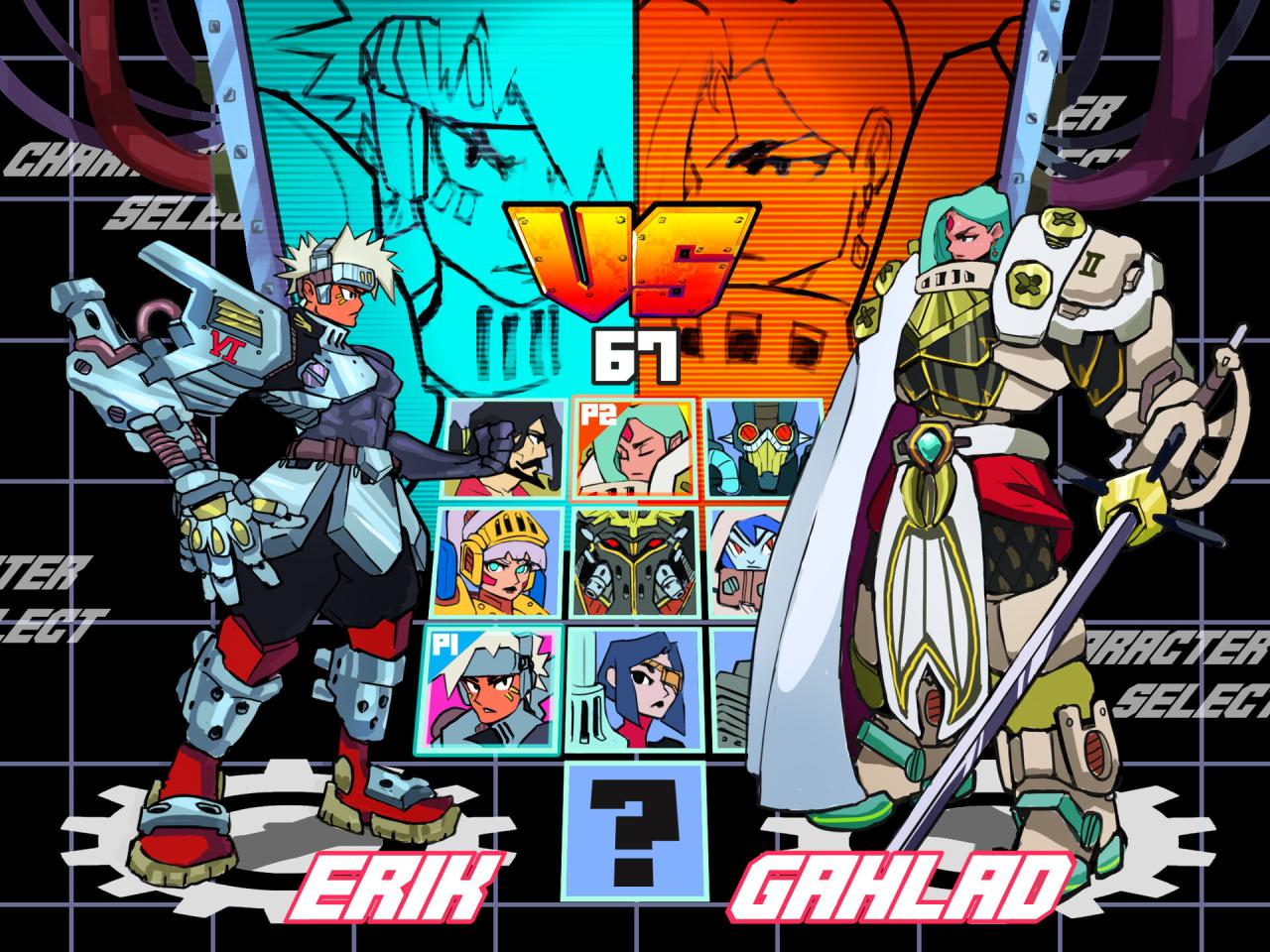
Ever wondered how those iconic fighting game characters came to life? From the pixelated sprites of the arcade era to the hyper-realistic models of today, the evolution of fighting game character design is a fascinating journey. We’ll explore the stylistic shifts across franchises like Street Fighter, Mortal Kombat, and Tekken, examining how technological advancements and cultural influences have shaped the way these virtual brawlers look and feel.
Get ready to delve into the art, the archetypes, and the business behind bringing these pixelated pugilists to life!
This exploration will cover the key elements that define a successful fighting game character. We’ll dissect character archetypes (think grapplers, rush-down fighters, and zoners), analyzing how their visual designs communicate their fighting styles. We’ll also examine the impact of different cultural and artistic styles, from anime to realism, and how these influences shape the overall aesthetic of the game. Finally, we’ll take a look at the business side of things, exploring the design process, market research, and the challenges of creating truly memorable characters.
Evolution of Fighting Game Character Designs
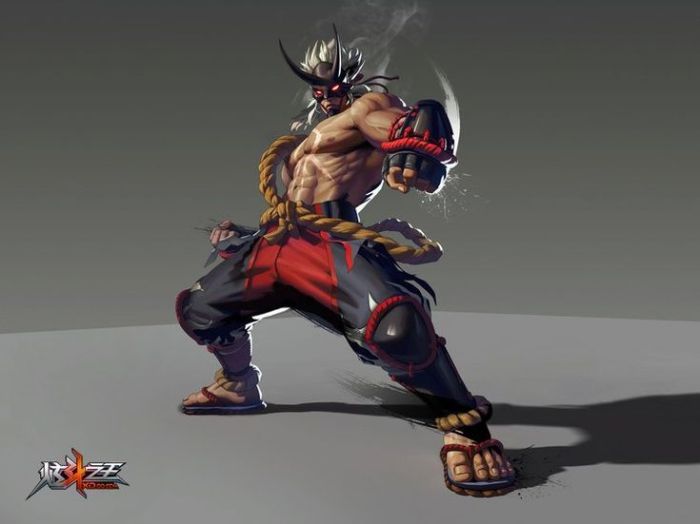
The evolution of fighting game character design mirrors the technological leaps and evolving artistic sensibilities of the video game industry as a whole. From the pixelated sprites of the arcade era to the hyper-realistic models of modern AAA titles, the journey showcases a fascinating interplay between technical limitations, artistic expression, and cultural influences. This exploration will examine the stylistic shifts, contrasting design philosophies across different franchises, and the impact of technological advancements on the creation of these iconic virtual combatants.
Stylistic Shifts in Fighting Game Character Design
Early fighting games, like the original
- Street Fighter* (1987), were constrained by the limitations of 8-bit and 16-bit technology. Character designs were simple, often relying on bold color palettes and easily recognizable silhouettes to convey personality and fighting style. The focus was on clear visual distinction between characters rather than intricate detail. As technology advanced, so did the level of detail, allowing for more expressive animations, complex costumes, and nuanced facial features.
The transition to 3D graphics in the mid-1990s, exemplified by games like
- Tekken* (1994), brought a new dimension to character design, enabling realistic proportions, intricate musculature, and dynamic poses. Modern fighting games, with their high-resolution textures and advanced rendering techniques, strive for photorealism in some cases, while others maintain a stylized aesthetic, demonstrating the continued evolution of artistic expression within the genre.
Comparative Design Philosophies Across Franchises
Different fighting game franchises have cultivated distinct design philosophies.
- Street Fighter*, for instance, often features characters inspired by various martial arts styles and world cultures, with a focus on relatively grounded, albeit exaggerated, designs. The characters are often easily identifiable through their unique attire and iconic moves.
- Mortal Kombat*, in contrast, is known for its over-the-top, gruesome, and often fantastical character designs, reflecting the game’s emphasis on visceral combat and its mature rating.
- Tekken*’s roster is a diverse blend of characters from various backgrounds and fighting styles, but the overall aesthetic tends towards a more realistic, albeit still stylized, approach. These differing approaches reflect the target audience and the overall tone and style of each franchise.
Impact of Technological Advancements
The transition from 2D sprites to 3D models significantly impacted character design. 3D modeling allowed for greater anatomical accuracy, more complex clothing designs, and far more dynamic animations. The introduction of motion capture technology further revolutionized character animation, allowing for more realistic and fluid movements. This has led to a greater emphasis on character performance and the ability to convey emotion and personality through subtle movements and facial expressions.
The increased processing power of modern consoles and PCs has also enabled the creation of highly detailed character models with realistic lighting and shading, blurring the line between virtual and real-world representations.
Examples of Fighting Game Character Designs
| Franchise | Character Name | Year of Release | Notable Design Features |
|---|---|---|---|
| Street Fighter II | Ryu | 1991 | Simple, iconic gi; easily recognizable silhouette; embodies the classic martial artist archetype. |
| Mortal Kombat | Sub-Zero | 1992 | Cryomancer; iconic ninja attire; pale skin; special effects showcasing ice powers. |
| Tekken | Heihachi Mishima | 1994 | Stern, powerful demeanor; traditional Japanese attire; imposing physical presence. |
| Street Fighter III: Third Strike | Chun-Li | 1999 | Improved 3D model; more detailed clothing; emphasized feminine features; improved animation. |
| Mortal Kombat 11 | Scorpion | 2019 | Highly detailed model; realistic textures; advanced animation; retains iconic ninja design, updated for a modern aesthetic. |
Archetypes and Character Roles in Fighting Games
Fighting games thrive on diverse character designs, each meticulously crafted to represent a unique playstyle and role within the game’s competitive landscape. These designs aren’t arbitrary; they communicate crucial information to players at a glance, influencing both strategic decision-making and the overall aesthetic appeal of the game. A character’s visual cues often act as a shorthand for their combat capabilities, allowing players to quickly assess their strengths and weaknesses.Character archetypes are a fundamental aspect of fighting game design, providing a framework for balancing the roster and creating engaging gameplay experiences.
Understanding these archetypes is key to appreciating the nuances of character design and how it contributes to the overall fighting game experience.
Common Character Archetypes and Visual Representation
The visual design of a fighting game character often directly reflects their role in combat. Certain visual cues consistently indicate specific playstyles. For example, a large, heavily muscled character often signifies a grappler, while a nimble, agile character with quick movements suggests a rush-down fighter. A character adorned with ranged weaponry or magical effects typically represents a zoner.
- Grapplers: These characters excel at close-range combat, utilizing throws, grabs, and powerful command grabs to control the space and deal significant damage. Visually, grapplers are often depicted as large, muscular individuals with a powerful build, sometimes featuring clothing that emphasizes strength and durability. Think of Zangief from Street Fighter, a hulking wrestler with exposed biceps and a determined expression.
- Rush-Down Characters: These fighters prioritize relentless offense, overwhelming opponents with a flurry of fast attacks and aggressive pressure. Visually, they are often depicted as lean, agile characters with quick, sharp movements. Their clothing might be designed for mobility and often features less bulk than other archetypes. Examples include characters like Terry Bogard from Fatal Fury, known for their lightning-fast strikes and aggressive stance.
- Zoners: Zoners maintain distance from their opponents, using projectiles, long-range attacks, and strategic spacing to control the flow of the battle. Their visual designs frequently incorporate elements that suggest range and magical abilities. They might wield staffs, bows, or have magical effects surrounding them. Sub-Zero from Mortal Kombat, with his ice-based attacks and defensive posture, is a classic example.
Character Design Communicating Fighting Style
The effectiveness of a fighting game character’s design hinges on its ability to clearly communicate their fighting style and role. This is achieved through a combination of visual cues, such as body type, clothing, weaponry, and even facial expressions. For example, a character with sharp, angular features and a menacing expression might suggest an aggressive rush-down playstyle, while a character with calm features and flowing robes might indicate a more controlled, strategic zoner.
The color palette also plays a significant role; vibrant, aggressive colors often indicate a rush-down fighter, while cooler, more subdued tones might be used for zoners.
Characters Subverting or Blending Traditional Archetypes
Many characters successfully challenge and expand upon traditional archetypes, creating unique and compelling gameplay experiences.
- Ky Kiske (Guilty Gear): Ky blends elements of a rush-down character with some zoning capabilities. His sword allows for both close-range pressure and ranged attacks, defying a strict categorization.
- Axl Low (Guilty Gear): Axl is a prime example of a character who subverts expectations. While possessing zoning tools, his playstyle emphasizes mobility and unconventional approaches, defying a simple “zoner” label.
- Potemkin (Guilty Gear): Potemkin is a grappler, but his immense size and power also allow for surprisingly effective rush-down strategies, blurring the lines between archetypes.
Visual Representation of Three Archetypes
Imagine three distinct characters:* Grappler: A towering figure, easily 7 feet tall, with bulging muscles straining against leather straps and reinforced armor. His face is grim and determined, his jaw clenched. His hands are large and calloused, and he carries no visible weapons, his body being his primary weapon. His color palette is dark and earthy – browns, blacks, and deep reds.* Rush-Down: A lithe, agile character, perhaps 5’6″, clad in lightweight, almost futuristic armor that allows for maximum mobility.
Their expression is intense and focused, their eyes sharp and alert. They carry a pair of short swords, their movements hinting at lightning-fast strikes. Their color scheme is vibrant and energetic – bright blues, yellows, and electric greens.* Zoner: A slender figure, approximately 5’10”, draped in flowing robes adorned with mystical symbols. Their expression is calm and serene, their eyes distant and contemplative.
They wield a long staff tipped with glowing crystals, radiating an aura of magical power. Their color palette is composed of cool blues, purples, and whites, suggesting an ethereal quality.
The Influence of Cultural and Artistic Styles
Fighting game character design is a vibrant tapestry woven from diverse cultural threads and artistic styles. The visual representation of a character, from their attire and weaponry to their overall aesthetic, profoundly impacts player perception and engagement. This influence isn’t merely superficial; it directly reflects the game’s target audience, its thematic underpinnings, and the overall artistic vision of its creators.The evolution of fighting game character design demonstrates a fascinating interplay between established artistic traditions and innovative design choices.
We see the clear impact of various cultures and artistic movements, from the bold lines and dynamic poses of anime and manga to the photorealistic detail of modern 3D rendering techniques. This blending of styles allows developers to create unique and memorable characters that resonate with players on multiple levels.
Anime and Manga Influence on Fighting Game Character Designs
Anime and manga have exerted a considerable influence on fighting game character design, particularly in Japanese fighting games. The stylized proportions, expressive eyes, and dynamic action poses are hallmarks of this aesthetic. Characters often feature exaggerated features, vibrant color palettes, and elaborate costumes, creating a visually striking and memorable presence. Examples include the characters of
Street Fighter III
3rd Strike*, which feature a distinctive anime-inspired aesthetic, or the characters inGuilty Gear*, known for their over-the-top designs and dynamic animations. The influence extends beyond simple visual style; the storytelling techniques and character archetypes prevalent in anime and manga are often incorporated into the game’s narrative and character development.
Realism and its Role in Fighting Game Aesthetics
In contrast to the stylized world of anime and manga, some fighting games embrace realism in their character design. This approach often prioritizes anatomical accuracy, detailed textures, and realistic lighting effects. Games like
- Tekken* and
- Dead or Alive* exemplify this trend, with characters exhibiting a higher level of anatomical fidelity compared to their anime-influenced counterparts. This realistic approach can enhance the sense of immersion and impact, particularly in games that focus on brutal combat and gritty realism. The trade-off, however, is a potential loss of the expressive and iconic visual appeal often found in more stylized designs.
Characters Inspired by Mythology and Folklore
Many fighting game characters draw inspiration from historical figures, mythology, and folklore. This approach allows developers to create characters with rich backstories and compelling visual designs. For example,
- Mortal Kombat* frequently features characters based on or inspired by various mythological creatures and figures. Similarly, characters in
- Soulcalibur* often incorporate elements of historical and fictional weaponry and armor, grounding their fantastical designs in a sense of historical authenticity. This infusion of cultural and historical references adds depth and intrigue to the characters, expanding their appeal beyond pure visual spectacle.
Design Choices Reflecting Target Audience and Aesthetic
The design choices in a fighting game directly reflect the target audience and the overall aesthetic the developers are aiming for. A game targeting a younger audience might feature brighter colors, more exaggerated designs, and a more playful aesthetic. Conversely, a game targeting a more mature audience might opt for a darker, more realistic, or grittier visual style. The game’s setting and overall tone also play a crucial role.
A fantasy-themed game will naturally have different character designs than a modern-day or cyberpunk-themed game. The success of a fighting game often hinges on the coherence between its design choices and its intended audience.
Three Distinct Character Designs Inspired by Different Cultural Styles
Let’s design three distinct characters, each inspired by a different cultural style:
Character 1: Amaterasu (Japanese Folklore Inspired)
Amaterasu is a warrior woman inspired by the Shinto sun goddess. Her design incorporates traditional Japanese elements: a flowing kimono adorned with intricate sun motifs, a flowing mane of black hair, and a katana adorned with gold accents. Her skin is pale, her eyes are piercing and intense, and her overall demeanor exudes a sense of regal power. She would possess a combination of fast and powerful attacks, reflecting the sun’s intensity and the elegance of traditional Japanese martial arts.
Character 2: Anansi (West African Folklore Inspired)
Anansi is a cunning trickster character inspired by the West African spider god. His design features a humanoid form with spider-like characteristics: multiple arms, large, multifaceted eyes, and a segmented body. His clothing would be a patchwork of vibrant African fabrics and he carries a staff topped with a carved spider. His fighting style would be fluid and unpredictable, reflecting Anansi’s trickster nature, incorporating acrobatic movements and deceptive attacks.
Character 3: Quetzalcoatl (Aztec Mythology Inspired)
Quetzalcoatl is a powerful warrior inspired by the Aztec feathered serpent god. His design features a combination of human and serpent features: a feathered headdress, scaled armor, and a serpentine tail. His attire would be adorned with intricate Aztec designs and he would wield a magnificent spear tipped with obsidian. His fighting style would be a combination of powerful strikes and swift aerial maneuvers, reflecting the dual nature of the god he represents.
The Business of Fighting Game Character Design
Creating a new fighting game character isn’t just about drawing a cool picture; it’s a complex process involving art, game mechanics, marketing, and player psychology. From initial concept to final in-game implementation, countless decisions shape the character’s identity and impact on the game’s overall success. This process demands a keen understanding of both artistic expression and market forces.The Design Process: From Concept to ImplementationThe creation of a new fighting game character typically begins with concept art.
Artists create initial sketches exploring different visual styles, poses, and weapon choices (if applicable). These sketches are then refined into more detailed designs, often incorporating feedback from the game’s design team and producers. Once a visual design is finalized, the character’s moveset is developed, carefully balancing offense and defense, strengths and weaknesses. This requires close collaboration between artists and game programmers to ensure the character’s animations and special moves are both visually appealing and mechanically sound.
Finally, the character is integrated into the game, undergoing rigorous playtesting to identify and address any balance issues or bugs before release. For example, the design process for Street Fighter V’s Necalli involved extensive iterations on his visual design, going through several variations before settling on his final, monstrous appearance, and his moveset was carefully balanced to avoid making him overwhelmingly powerful.
Market Research and Player Feedback’s Role in Character Design
Market research plays a crucial role in shaping a character’s design. Surveys, focus groups, and analysis of player preferences in existing fighting games can inform decisions regarding a character’s visual style, fighting style, and overall personality. For example, if market research indicates a high demand for characters with specific weapon types or fighting styles, the design team might prioritize these elements.
Crucially, player feedback throughout the development process is vital for refining the character’s design and ensuring they fit well within the game’s existing roster. Developers often use beta testing and online forums to collect feedback, allowing them to make adjustments based on actual gameplay experiences. The character’s reception post-release further informs future character designs, with popular characters influencing future design choices and less successful ones prompting adjustments to the design philosophy.
Design Considerations: New Character vs. Returning Character
Designing a new character offers greater creative freedom but also requires careful consideration of the game’s existing roster. The new character must be unique enough to stand out but also balanced so as not to disrupt the game’s existing meta. Returning characters present different challenges. Maintaining the character’s core identity and playstyle while updating their visuals and moveset to feel fresh and relevant is crucial.
Striking this balance is a major challenge. For example, when designing a returning character like Ryu in Street Fighter V, developers had to update his visuals to fit the game’s new style while preserving his iconic moves and feel. They needed to make him feel modern and fresh while respecting his legacy. New characters often need to fill a niche or add something new to the game’s dynamic.
Returning characters need to honor their history while also feeling relevant in a modern context.
Challenges and Rewards of Creating Memorable Fighting Game Characters
Creating memorable fighting game characters requires a blend of artistic talent, game design expertise, and an understanding of player psychology. The challenge lies in balancing originality with familiarity, creating a character that is both unique and instantly recognizable. The rewards, however, are substantial. Memorable characters can significantly boost a game’s popularity, leading to increased sales and a more engaged player base.
Characters like Ryu (Street Fighter), Scorpion (Mortal Kombat), and Chun-Li (Street Fighter) are iconic not only because of their compelling designs but also because of their enduring impact on the fighting game community and pop culture as a whole. Their memorable designs and consistent presence in the series have become integral parts of their respective franchises.
Fighting Games, Business Games, and Online Gaming
The world of video games offers a diverse landscape of experiences, and three prominent genres – fighting games, business simulation games, and massively multiplayer online role-playing games (MMORPGs) – stand out for their distinct approaches to character design and player engagement. While seemingly disparate, a comparative analysis reveals fascinating parallels and crucial differences in their design philosophies, monetization strategies, and character customization options.
This exploration delves into the core mechanics that shape these genres and how they impact the very essence of their virtual inhabitants.
Character Design Philosophies Across Genres
Fighting game character design prioritizes visual distinctiveness and gameplay functionality. Characters need to be immediately recognizable, possess unique fighting styles, and have visually distinct animations that clearly communicate their attacks and abilities. Business simulation games, on the other hand, often feature characters that are less visually striking but possess distinct personality traits and skill sets relevant to their business roles.
Think of the diverse managers in a game likeTwo Point Hospital*; their visual design is secondary to their in-game function and the impression they convey. MMORPGs occupy a middle ground. Characters must be visually appealing and customizable to appeal to a broad player base, but also possess clear class roles and visually distinct abilities to aid in gameplay readability and team composition.
Monetization Strategies and Their Influence on Character Design
The impact of monetization on character design varies significantly across these genres. Fighting games frequently release DLC characters, often featuring popular guest characters or iconic figures from other franchises. This can directly influence character design, as developers need to balance faithful representation with game mechanics. The addition of a new character, therefore, must be carefully integrated into the existing roster without disrupting the game’s balance.
Business simulation games tend to rely less on character-based DLC, focusing instead on expansion packs adding new content, mechanics, and challenges. MMORPGs, however, frequently employ microtransactions to sell cosmetic items and character enhancements. This can lead to a focus on creating visually appealing character customization options to incentivize purchases. The line between gameplay enhancement and purely cosmetic upgrades often blurs, creating a delicate balance for developers.
Character Customization Options: A Comparative Analysis
The level of character customization differs dramatically across these genres. Fighting games generally offer minimal customization, focusing instead on the unique visual design of each pre-existing character. Business simulation games may offer some level of character customization regarding their skills and attributes, reflecting their roles within the simulated business. MMORPGs, however, often boast extensive character customization systems, allowing players to personalize their characters’ appearance, skills, and equipment to a remarkable degree.
This deep level of customization is often a key selling point and is directly related to the social aspects of these games.
Comparative Table: Game Genre, Character Design Focus, and Monetization Impact
| Game Genre | Character Design Focus | Monetization Impact |
|---|---|---|
| Fighting Games | Visual distinctiveness, gameplay functionality, unique fighting styles | DLC characters (often guest characters), potentially impacting character design to maintain balance. |
| Business Simulation Games | Personality traits, skill sets relevant to business roles, less emphasis on visual distinctiveness | Expansion packs adding content and mechanics, rather than individual character DLC. |
| MMORPGs | Visual appeal, customizability, clear class roles and visually distinct abilities | Microtransactions for cosmetic items and character enhancements, influencing design towards visually appealing options. |
End of Discussion
From pixelated punches to photorealistic power moves, the world of fighting game character design is a vibrant tapestry woven from artistry, technology, and cultural influences. We’ve journeyed through the evolution of these iconic figures, exploring their archetypes, the impact of artistic styles, and the business decisions that shape their creation. Ultimately, the most memorable fighting game characters aren’t just visually striking; they’re deeply ingrained in the gaming culture, embodying the spirit of competition and the thrill of the fight.
So, next time you’re throwing down in your favorite fighting game, take a moment to appreciate the artistry and design that brought your favorite character to life!
FAQ Overview
What software is commonly used for creating fighting game character models?
Popular choices include industry-standard 3D modeling software like ZBrush, Maya, and Blender, often coupled with animation software like Autodesk MotionBuilder.
How important is player feedback in the design process?
Crucial! Developers actively seek player feedback through surveys, forums, and social media to refine designs and ensure characters resonate with the target audience.
What are some common pitfalls to avoid when designing fighting game characters?
Overly complex designs that hinder readability, inconsistent visual styles, and neglecting to clearly communicate a character’s fighting style are all common mistakes.
How do designers balance originality with recognizability?
This is a delicate balance! Designers often use established archetypes as a foundation, then add unique twists and visual flourishes to create characters that are both familiar and fresh.