Step into the world of Subscription-based gaming models where innovation meets entertainment, and traditional gaming methods are left in the dust. Brace yourself for a journey filled with unique insights and exciting revelations that will change the way you view the gaming landscape.
As we delve deeper, you’ll uncover the true impact of subscription-based models on online gaming and explore the diverse business strategies employed in popular gaming genres.
Definition of Subscription-based Gaming Models
Subscription-based gaming models refer to a pricing structure where players pay a recurring fee to access a library of games or exclusive content. Instead of purchasing individual games, subscribers have unlimited access to a variety of titles for as long as they maintain their subscription.
Examples of Popular Subscription-based Gaming Services
- Xbox Game Pass: Microsoft’s subscription service offering a wide range of games for Xbox consoles and PC.
- PlayStation Now: Sony’s cloud gaming subscription service that allows users to stream and download games on PlayStation consoles and PC.
- EA Play: Electronic Arts’ subscription service providing access to a collection of EA games, early trials, and discounts.
Advantages and Disadvantages of Subscription-based Gaming Models
- Advantages:
- Cost-effective: Subscribers can access multiple games for a fixed monthly fee, saving money compared to purchasing individual titles.
- Game Variety: Subscribers have a diverse selection of games to choose from, including both new releases and older titles.
- Exclusive Content: Some subscription services offer exclusive in-game content or early access to new releases.
- Disadvantages:
- Dependency: Subscribers lose access to games if they cancel their subscription, unlike owning a physical copy of a game.
- Internet Connection: Some services require a stable internet connection for streaming or downloading games, limiting accessibility.
- Quality Concerns: The quality of subscription games may vary, and players may not have the same level of attachment to titles as they would with purchased games.
Business Models in Fighting Games
In the world of gaming, fighting games have their own unique business models that set them apart from other genres. Let’s delve into the different strategies commonly used in the fighting games genre and how they impact revenue generation.
Free-to-Play vs. Paid Games
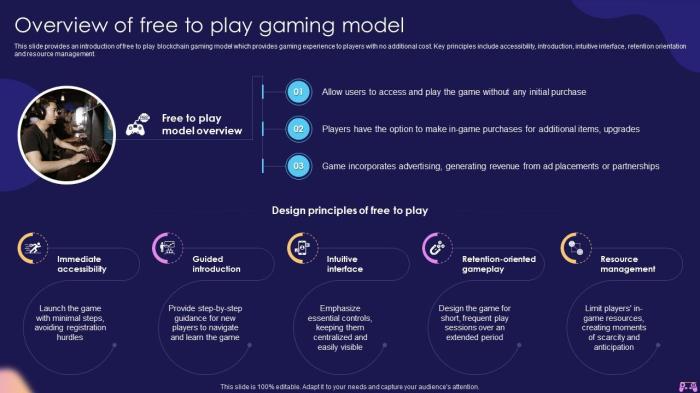
When it comes to business models in fighting games, one of the main distinctions is between free-to-play and paid games. Free-to-play games offer the base game for free, but monetize through in-game purchases such as character skins, weapons, or boosts. On the other hand, paid games require an upfront purchase to access the full game without additional microtransactions.
Season Passes and DLCs
Fighting games often make use of season passes and downloadable content (DLCs) to keep players engaged and generate revenue. Season passes offer access to additional characters, stages, or story content over a set period, while DLCs allow players to purchase individual add-ons to enhance their gaming experience.
Microtransactions and In-Game Purchases
Microtransactions play a significant role in the revenue generation of fighting games. Players can buy in-game currency, cosmetic items, or other virtual goods to customize their gameplay experience. These small transactions can add up to substantial revenue for game developers.
Comparing Revenue Generation Strategies
Compared to other genres, fighting games rely heavily on microtransactions and DLCs for revenue. The competitive nature of fighting games and the desire for players to stand out with unique customization options make these additional purchases enticing. This model allows developers to continuously update and add new content to keep players engaged and willing to spend.
Impact of Microtransactions and DLCs
Microtransactions and DLCs have a significant impact on revenue in fighting games, as they provide a steady stream of income beyond the initial game purchase. By offering additional content for purchase, developers can prolong the lifespan of a game and maintain a dedicated player base. However, there is a fine line between offering valuable add-ons and creating a pay-to-win environment that can alienate players.
Impact of Subscription Models on Online Gaming
Subscription-based models have significantly impacted the online gaming industry, revolutionizing the way players access and engage with games.
Evolution of Online Gaming
With the adoption of subscription services, online gaming has evolved from one-time purchases to ongoing revenue streams, providing developers with a more stable income.
- Games now offer continuous updates, expansions, and new content to keep players engaged and subscribed.
- Players have access to a wider range of features and benefits, creating a more immersive gaming experience.
- Subscription models have encouraged community engagement and fostered loyalty among players.
Successful Transition to Subscription Models
Several successful online games have transitioned to subscription-based models, enhancing their longevity and profitability.
- World of Warcraft: One of the most iconic examples, this MMORPG shifted to a subscription model and continues to thrive with regular expansions and updates.
- Elder Scrolls Online: Initially a buy-to-play game, it transitioned to a subscription model with optional microtransactions, attracting a dedicated player base.
- Final Fantasy XIV: After a failed launch, the game relaunched with a subscription model, leading to a successful turnaround and a loyal player community.
Ending Remarks
In conclusion, Subscription-based gaming models have not only reshaped the gaming industry but also redefined the way players engage with their favorite titles. With a blend of convenience and excitement, these models continue to pave the way for the future of gaming.
FAQ Guide
How do subscription-based gaming models work?
Subscription-based gaming models require users to pay a recurring fee to access a library of games or exclusive content.
What are some advantages of subscription-based gaming models?
Advantages include access to a variety of games for a fixed price, potential cost savings for frequent gamers, and a continuous stream of new content.
Are there any disadvantages to subscription-based gaming models?
Disadvantages may include limited access to specific games, potential loss of ownership if subscription is canceled, and overall higher costs for occasional gamers.