
Step into the exciting world of business tycoon games where you can build, strategize, and dominate the market like a true tycoon. Get ready to experience the thrill of making tough decisions, managing resources, and outsmarting your competitors in this virtual business realm!
Introduction to Business Tycoon Games
Business tycoon games are a genre of simulation games where players take on the role of a business owner or manager, aiming to grow and expand their virtual business empire. Unlike other genres, such as action or adventure games, business tycoon games focus on strategic decision-making, resource management, and economic simulation.
Main Objectives and Gameplay Mechanics
- Players typically start with a small business or company and must make strategic decisions to increase profits, expand operations, and dominate the market.
- Key gameplay mechanics often include setting prices, managing resources, researching new technologies, hiring and training employees, and competing with rival businesses.
- Success in business tycoon games is usually measured by factors like revenue, market share, customer satisfaction, and overall profitability.
Popular Business Tycoon Games
- 1. “RollerCoaster Tycoon”: A classic business simulation game where players build and manage amusement parks to attract visitors and generate revenue.
- 2. “SimCity”: While primarily a city-building game, “SimCity” also incorporates elements of business management as players must balance budgets, taxes, and infrastructure development.
- 3. “Capitalism II”: This game focuses on corporate strategy, allowing players to create and run their own businesses, compete in the global market, and achieve financial success.
Key Features of Business Tycoon Games
Business tycoon games are known for their engaging gameplay that revolves around strategic decision-making and resource management. Players are tasked with building and expanding their businesses while navigating various challenges and economic scenarios. Let’s explore the key features that make these games so captivating:
Realistic Simulation of Business Operations
Business tycoon games simulate real-world economic principles, offering players the opportunity to experience the complexities of running a business. From managing finances and resources to making strategic decisions, these games provide a realistic and immersive simulation of business operations.
Strategic Decision-Making
One of the key features of business tycoon games is the emphasis on strategic decision-making. Players must carefully plan their moves, anticipate market trends, and make critical decisions to ensure the success and growth of their business. The ability to think strategically and adapt to changing circumstances is essential for thriving in these games.
Resource Management
Effective resource management is another vital aspect of business tycoon games. Players must allocate their resources wisely, balancing investments in research, development, marketing, and other areas to maximize profitability and sustainability. Managing resources efficiently is crucial for achieving long-term success in these games.
Dynamic Market Dynamics
Business tycoon games often feature dynamic market dynamics that reflect real-world economic conditions. Players must stay informed about market trends, competitor strategies, and consumer preferences to make informed decisions and stay ahead of the competition. Adapting to changing market conditions is key to achieving success in these games.
Progression and Growth
Progression and growth are central to the gameplay experience in business tycoon games. Players start with a small business or enterprise and gradually expand their operations, unlock new opportunities, and achieve greater success. The sense of progression and accomplishment as players grow their business empire is a key motivator in these games.
Monetization Strategies in Business Tycoon Games
Monetization is a crucial aspect of business tycoon games, as developers need to generate revenue to sustain the game and continue providing updates and new content. There are various monetization models used in these games to achieve this goal, such as in-app purchases and ad revenue.
In-App Purchases
In-app purchases are a common monetization strategy in business tycoon games, allowing players to buy virtual goods or currency within the game using real money. These purchases can range from cosmetic items to gameplay enhancements, providing players with a sense of progression and customization.
Ad Revenue
Another popular monetization approach in business tycoon games is through ad revenue. Developers can integrate advertisements into the game, either as banners, videos, or rewarded ads. Players can choose to watch ads in exchange for in-game rewards, providing a source of income for the developers.
Impact on Player Experience
- Monetization strategies can affect the overall player experience in business tycoon games. Intrusive ads or paywalls can frustrate players and hinder their enjoyment of the game.
- On the other hand, well-implemented in-app purchases that offer value to players without being overly aggressive can enhance the gaming experience.
- Developers need to strike a balance between monetization and player satisfaction to ensure long-term success and a loyal player base.
Ethical Considerations
- There are ethical considerations surrounding monetization in gaming, especially when it comes to targeting vulnerable players, such as children or individuals prone to addictive behaviors.
- Developers need to be transparent about their monetization strategies and ensure that players are not pressured into making purchases or watching ads.
- Implementing fair and ethical monetization practices can help build trust with the player community and foster a positive gaming environment.
Business Games
Business games, particularly business tycoon games, offer a unique and engaging way for players to immerse themselves in the world of entrepreneurship and management. These games simulate the challenges and decisions faced by real-life business owners, allowing players to strategize, make tough choices, and experience the consequences of their actions in a risk-free environment.
Differentiation between Business Tycoon Games and Other Business Simulation Games
- Business tycoon games focus more on the strategic and managerial aspects of running a business, often involving tasks like resource management, employee hiring and training, and marketing.
- Other types of business simulation games may have a broader scope, including economic simulations, city-building elements, or industry-specific simulations.
- Business tycoon games tend to emphasize individual decision-making and the growth of a single company or enterprise, whereas other business simulation games may involve multiple companies or sectors.
Educational Value of Business Games
Business games provide a valuable learning experience for players, teaching essential entrepreneurial and managerial skills in a fun and interactive way. These games can help players develop critical thinking, problem-solving, and decision-making skills that are crucial in the business world. By simulating real-world scenarios, business games offer a practical and engaging way to explore the complexities of running a business.
Examples of Business Games Used for Training Purposes
- SimCity: While not strictly a business game, SimCity has been used in urban planning and economic development courses to teach students about city management and resource allocation.
- Capitalism Lab: This business simulation game allows players to create and manage their own virtual business empire, making decisions on production, pricing, and marketing strategies.
- Retail Tycoon: A game that challenges players to build and manage their own retail store, teaching them about inventory management, customer service, and business growth.
Online Gaming in Business Tycoon Games
Online multiplayer modes play a crucial role in enhancing the gameplay experience of business tycoon games. These features allow players to interact with each other in real-time, creating a dynamic and competitive environment within the game.
Role of Online Multiplayer Modes
Online multiplayer modes in business tycoon games enable players to compete against each other, buy and sell goods/services, form alliances, and engage in strategic business decisions. This adds a layer of complexity and excitement to the gameplay, as players must outwit and outmaneuver their rivals to succeed.
- Real-time market dynamics: Online multiplayer modes simulate a realistic market environment where player actions directly impact prices, demand, and competition.
- Collaborative opportunities: Players can team up with others to achieve common goals, share resources, and dominate the market together.
- Global competition: Online features allow players from around the world to compete against each other, offering a diverse and challenging experience.
Enhanced Player Interaction and Competition
The incorporation of online gaming elements in business tycoon games significantly enhances player interaction and competition. It fosters a sense of community among players and encourages strategic thinking and negotiation skills.
- Trading and negotiations: Online multiplayer modes enable players to negotiate deals, trade resources, and form partnerships, fostering a dynamic player-driven economy.
- Competitive leaderboards: Online features often include leaderboards that showcase the top players, motivating others to strive for success and climb the ranks.
- Social connections: Players can connect with others, share strategies, and learn from each other’s successes and failures, creating a vibrant and engaging community.
Challenges and Opportunities
Incorporating online gaming elements into business tycoon games presents both challenges and opportunities for developers. While it enhances the gameplay experience, it also requires robust server infrastructure, effective anti-cheat measures, and continuous updates to maintain player engagement.
Developers must balance the competitive nature of online multiplayer modes with fair gameplay mechanics to ensure a positive experience for all players.
- Opportunities for collaboration: Online features open up opportunities for collaboration, player-driven economies, and community events that can enhance player retention and satisfaction.
- Technical challenges: Maintaining server stability, preventing cheating, and addressing connectivity issues are some of the technical challenges developers face when implementing online gaming elements.
- Player feedback and updates: Constant communication with the player base, gathering feedback, and implementing updates based on player suggestions are essential for the success of online features in business tycoon games.
Fighting Games
Fighting games are a genre of video games that typically involve one-on-one combat between characters controlled by players. These games often require quick reflexes, strategic thinking, and precise execution of moves to defeat opponents.
Evolution of Fighting Games
Fighting games have come a long way since their inception in classic arcade titles like Street Fighter and Mortal Kombat. These games were characterized by simple controls, special moves, and intense battles that captivated players around the world. As technology advanced, fighting games evolved into more complex and competitive experiences, leading to the rise of esports competitions where players compete for fame and fortune.
- Introduction of 3D graphics: With the introduction of 3D graphics, fighting games like Tekken and Virtua Fighter brought a new level of depth and immersion to the genre.
- Online multiplayer: The ability to play against opponents online revolutionized the fighting game community, allowing players to compete against each other from different parts of the world.
- Evolving character roster: Fighting games now feature diverse rosters of characters with unique fighting styles, abilities, and storylines, providing players with a wide range of choices for gameplay.
Role of Strategy and Reflexes in Fighting Games
In fighting games, success is not just about button mashing but also about strategy and reflexes. Players must anticipate their opponent’s moves, react quickly to attacks, and adapt their tactics on the fly to gain the upper hand in battle. Character balance is also crucial in ensuring a fair and competitive gameplay experience, where no one character is overpowered.
“A successful fighting game strikes a balance between strategy, reflexes, and character balance, creating an engaging and competitive experience for players.”
Last Point
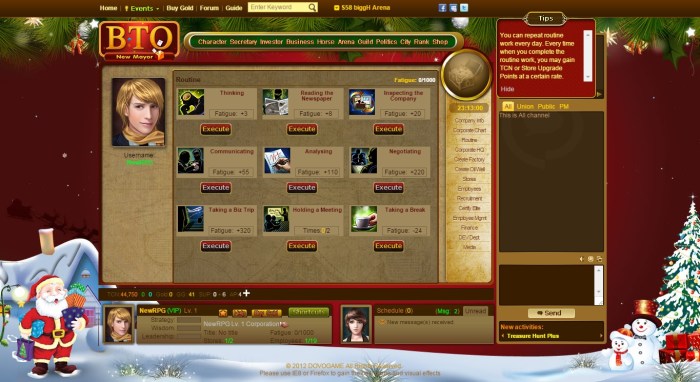
In conclusion, business tycoon games offer a unique blend of strategy, decision-making, and economic simulation that keeps players hooked for hours. Whether you’re a seasoned entrepreneur or just starting out, these games provide a fun and challenging experience that will test your business acumen. Dive in and see if you have what it takes to become a tycoon in the virtual business world!
Questions and Answers
What makes business tycoon games different from other genres?
Business tycoon games focus on building and managing a business empire, requiring strategic thinking and resource management skills.
How do monetization strategies work in business tycoon games?
Monetization models like in-app purchases and ad revenue are commonly used, but the impact on player experience varies based on the approach.
Are there ethical considerations related to monetization in gaming?
Yes, ethical concerns arise when monetization strategies affect gameplay balance or exploit players through aggressive tactics.
What role do online multiplayer modes play in business tycoon games?
Online multiplayer modes enhance player interaction and competition, adding a social element to the gameplay experience.
How do fighting games differ from business tycoon games?
Fighting games focus on combat and character balance, while business tycoon games emphasize strategy, management, and economic simulation.


