Ever wondered why some fighting game characters feel overpowered while others gather dust on the character select screen? The answer lies in the intricate art of character balance – a delicate dance between raw power, speed, and unique abilities. It’s a constant tug-of-war between developers striving for fairness and players yearning for victory, a battle as captivating as the games themselves! This exploration dives deep into the heart of this critical aspect of fighting game design, examining everything from the core principles of balance to the business strategies behind it and the impact it has on player experience.
We’ll dissect the factors that influence balance – from health points and damage output to the subtle nuances of special moves and game mechanics. We’ll look at how different fighting game franchises have approached balance, showcasing both brilliant successes and spectacular failures. We’ll even venture beyond the fighting game arena, exploring how the principles of character balance apply to other genres, from business simulations to massive online role-playing games.
Get ready for a rollercoaster ride through the complex and fascinating world of character balance!
Defining Character Balance in Fighters
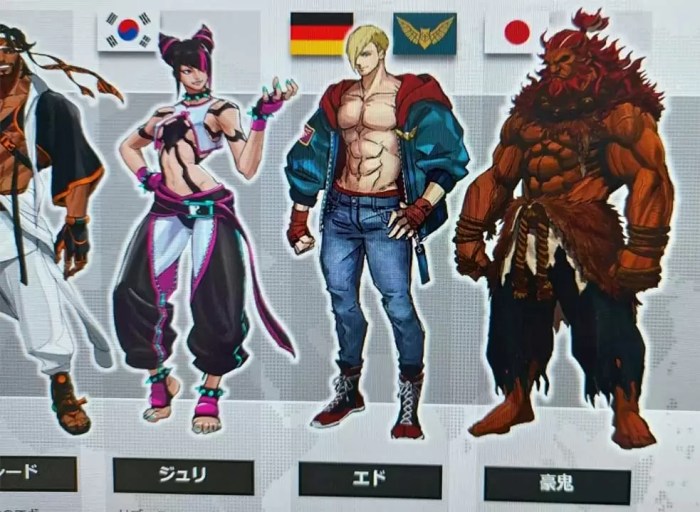
Character balance is the cornerstone of a successful fighting game. It dictates the fairness and longevity of the competitive scene, ensuring that players feel a sense of agency and that no single character dominates the meta. A well-balanced game provides a diverse and engaging experience, encouraging players to experiment with different strategies and characters. Conversely, an unbalanced game can quickly become stale and frustrating, leading to a decline in player interest.Character balance in fighting games isn’t about making every character equally powerful in every situation.
Instead, it’s about creating a diverse roster where each character possesses a unique and viable playstyle, offering a range of strengths and weaknesses that create meaningful interactions and strategic depth. The goal is to ensure that skillful play is consistently rewarded, regardless of the chosen character.
Core Principles of Character Balance
The core principles of character balance hinge on several key factors. First, each character should have a clear and defined role within the game’s overall meta. This role might be defined by their offensive capabilities, defensive capabilities, zoning strategies, or a unique combination of attributes. Second, the strengths and weaknesses of each character should be clearly defined and intertwined.
A character’s advantages shouldn’t overshadow their disadvantages to the point of making them overwhelmingly superior. Finally, the balance should allow for counterplay – meaning that every character should be susceptible to being defeated by skillful use of another character’s strengths. This prevents any single character from becoming unbeatable.
Examples of Balanced and Unbalanced Characters
Let’s look at some examples. In Street Fighter II, Ryu and Ken, while similar, were generally considered balanced. They possessed a well-rounded kit with strengths and weaknesses that allowed for counterplay. However, Sagat, with his devastating Tiger Shot, was initially considered overpowered, dominating early gameplay until adjustments were made. In contrast, characters like Guile in the same game, with his excellent zoning capabilities, could be difficult to approach but could also be countered effectively with well-timed rushes.Another example is from the Mortal Kombat series.
Sub-Zero, with his variety of attacks and his iconic freeze, was generally well-balanced throughout the series’ history, consistently a top-tier pick but never overwhelmingly dominant. However, certain versions of the game sometimes featured characters that were considered unbalanced, often due to overly powerful special moves or combos that were difficult to counter. These characters frequently needed nerfs or adjustments in subsequent updates or versions.
Impact of Character Balance on Gameplay Experience
Character balance directly influences the overall enjoyment and longevity of a fighting game. A balanced game encourages a wider variety of character choices, leading to a more diverse and unpredictable meta. This fosters a more engaging competitive scene, with players constantly adapting their strategies to counter different opponents and playstyles. Furthermore, a balanced game often leads to a higher skill ceiling, as players need to master not only their chosen character but also understand the strengths and weaknesses of the entire roster.
Conversely, an unbalanced game can lead to a stagnant meta, where only a few “optimal” characters are used, diminishing the overall fun and variety. This can cause players to feel frustrated and ultimately abandon the game.
Hypothetical Character Balancing System
A robust character balancing system requires a multi-faceted approach. First, a comprehensive testing phase involving extensive playtesting and data analysis is essential. This involves monitoring win rates, character usage statistics, and player feedback. Second, a transparent and iterative process for making adjustments is crucial. This involves clearly communicating the reasons behind balance changes and allowing for community feedback to inform further adjustments.
Finally, the system needs to be adaptable and responsive to the ever-evolving meta. This means regularly monitoring character performance and making adjustments as needed, rather than relying on large-scale overhauls. One approach could involve a point system where each character’s attributes (damage, speed, range, etc.) are assigned numerical values. These values can be adjusted incrementally to fine-tune balance, allowing for precise control over individual character performance.
For example, a character deemed too strong might have their damage output reduced by a small percentage, while a weak character might receive a slight increase in speed or range. This system promotes iterative adjustments and avoids drastic changes that might negatively impact gameplay.
Factors Affecting Character Balance
Character balance in fighting games is a delicate dance, a constant tug-of-war between satisfying gameplay and competitive fairness. Achieving this balance requires a deep understanding of the numerous factors that can subtly, or dramatically, shift a character’s power level. Even seemingly insignificant tweaks can have cascading effects, transforming a bottom-tier fighter into a dominant force or vice versa.
Let’s delve into the key elements that game developers meticulously adjust to maintain equilibrium.
The core factors influencing character balance are multifaceted and interconnected. No single attribute dictates a character’s strength; instead, it’s the intricate interplay of various stats and mechanics that determines their overall viability. Understanding this interplay is crucial for both developers striving for balance and players seeking to master the game’s meta.
Health, Damage, and Speed
Health, damage output, and movement speed form the fundamental trinity of character attributes. A character with high health can withstand more punishment, while high damage allows for quicker eliminations. Speed, encompassing both movement and attack speed, dictates a character’s offensive and defensive capabilities. A character with high health but low damage might be durable but ineffective, whereas a fast character with low health might be risky but highly rewarding.
The ideal balance varies depending on the game’s design philosophy; some games prioritize aggressive, high-risk, high-reward playstyles, while others favor more methodical, defensive strategies. For example, in Street Fighter V, characters like Zangief are designed around high health and strong grapples, rewarding defensive play, while characters like Chun-Li rely on speed and precise combos.
Special Moves and Abilities
Special moves and unique abilities significantly contribute to a character’s overall strength and playstyle. The damage, range, startup time, recovery frames, and utility of these moves are carefully considered during the balancing process. A single overpowered special move can make a character dominant, while poorly designed specials can render a character ineffective. For instance, a special move with exceptionally long range and high damage, but minimal startup time and recovery, would be considered overpowered.
Developers often adjust the properties of special moves (e.g., damage reduction, increased recovery time, reduced range) to fine-tune character balance.
Game Mechanics and Their Influence
Game mechanics, such as the frame data (the timing of animations), the game’s engine, and the overall combat system, fundamentally shape character balance. For example, a game with generous hitboxes might favor characters with strong rush-down strategies, while a game with tight hitboxes might reward more precise and defensive playstyles. The implementation of mechanics like armor (reducing damage from certain attacks), projectile invulnerability, or unique movement options can also heavily influence a character’s viability.
The existence of a “meta” (most effective tactic available) often hinges on the interaction between characters and the underlying game mechanics.
Comparative Approaches to Character Balancing
Different fighting games adopt diverse approaches to character balancing. Some prioritize a “rock-paper-scissors” approach, where characters are designed to counter each other strategically. Others strive for a more even playing field, where every character is theoretically viable at a high level of play. The complexity of the balancing task is further amplified by the presence of various competitive settings and player skill levels.
Games like Mortal Kombat often embrace a wider power disparity between characters, allowing for more diverse playstyles, while games like Tekken aim for a more consistent level of competitiveness across the roster.
Impact of Minor Adjustments
Even minute alterations to a character’s stats or moves can have a significant ripple effect on the game’s balance. A seemingly insignificant reduction in damage or a slight increase in recovery frames can drastically reduce a character’s viability. Conversely, a small buff to a particular move or a minor improvement in movement speed can transform a weak character into a strong contender.
For example, a 2-frame reduction in a character’s recovery time on a key attack might make the difference between a successful combo and a missed opportunity. This demonstrates the precision and meticulousness required in character balancing.
The Business of Character Balance
Character balance in fighting games isn’t just about fair gameplay; it’s the bedrock of the game’s commercial success. A balanced roster keeps players engaged, fostering a thriving competitive scene and encouraging long-term investment. Conversely, an unbalanced game can quickly alienate players, leading to decreased sales and a damaged reputation. This section explores the intricate relationship between character balance and the financial health of a fighting game.Character balance significantly impacts a fighting game’s lifespan and profitability.
A well-balanced game creates a more level playing field, promoting longer gameplay sessions and encouraging players to continue investing their time and money. This fosters a vibrant competitive scene, attracting both casual and professional players, and leading to increased tournament participation, viewership, and merchandise sales. Conversely, a severely unbalanced game can lead to player frustration and a decline in active players, negatively affecting sales and long-term sustainability.
Character Balance and Long-Term Viability
Maintaining character balance over the long term presents a significant challenge, especially with the addition of downloadable content (DLC) and regular updates. New characters must be carefully integrated into the existing roster to avoid disrupting the established meta. Regular updates, aimed at balancing existing characters, need to be strategically implemented to avoid upsetting the player base with frequent, drastic changes.
A delicate balance must be struck between responding to community feedback and avoiding constant adjustments that can lead to a feeling of instability. For example, Street Fighter V’s initial release suffered from balance issues, leading to player dissatisfaction. However, Capcom’s commitment to regular updates and balance patches eventually improved the game’s overall balance and longevity. In contrast, a game that fails to address balance issues promptly risks losing players to competitors.
Successful and Unsuccessful Balancing Strategies
Successful character balancing strategies often involve a combination of community feedback, internal testing, and iterative adjustments. Games like Super Smash Bros. Ultimate have demonstrated a commitment to consistent balance updates, addressing community concerns and adapting to the evolving meta. This approach has fostered a large and active player base. Unsuccessful strategies often involve ignoring community feedback, implementing drastic changes without sufficient testing, or releasing unbalanced DLC characters that significantly impact the game’s competitive landscape.
The release of certain characters in Mortal Kombat 11 faced criticism for being significantly overpowered, causing a temporary shift in the meta and dissatisfaction among a segment of the player base.
Hypothetical Business Plan: Character Balance as a Key Element
This hypothetical business plan for a new fighting game, “Project Chimera,” prioritizes character balance as a core element of its long-term success.
| Phase | Action | Budget | Timeline |
|---|---|---|---|
| Pre-Production | Extensive internal testing and playtesting with diverse skill levels to identify potential balance issues. Creation of a dedicated balance team. | $50,000 | 6 months |
| Production | Development of the core roster with a focus on diverse playstyles and avoiding overtly overpowered or underpowered characters. | $500,000 | 18 months |
| Post-Launch | Regular balance patches based on community feedback and data analysis. Dedicated online forums and communication channels for player feedback. DLC characters undergo rigorous testing to ensure they don’t disrupt the established balance. | $200,000 annually | Ongoing |
“Character balance is not a one-time fix, but an ongoing process that requires continuous monitoring, adaptation, and communication with the player base.”
Character Balance in Different Game Genres
Character balance, the delicate art of ensuring fair and engaging gameplay, takes on unique forms across different game genres. While the core principle—providing players with a sense of agency and competitive parity—remains constant, the methods and challenges of achieving balance vary significantly depending on the game’s mechanics, objectives, and player interaction. This exploration will compare and contrast character balance in fighting games, business simulations, and MMORPGs, highlighting the specific challenges and strategies employed in each.
Character Balance in Fighting Games
Fighting games are perhaps the most demanding genre when it comes to character balance. The direct, one-on-one combat necessitates precise control over character stats and abilities. Even minor imbalances can drastically alter the competitive landscape, leading to some characters becoming overwhelmingly dominant, while others become unplayable. Maintaining balance often involves meticulous adjustments to damage output, attack speed, defensive capabilities, and special move properties.
The iterative process of balancing often involves extensive playtesting, community feedback, and constant tweaking to ensure a diverse and competitive roster. A classic example is the evolution of character balance in Street Fighter II, where initial imbalances were addressed through numerous updates and revisions.
Character Balance in Business Simulations
Business simulations present a different challenge. Here, character balance translates to the relative strengths and weaknesses of different business strategies, market conditions, and resource management capabilities. The goal isn’t necessarily perfect parity, but rather a diverse range of viable approaches. An imbalanced business simulation might result in a single strategy consistently outperforming all others, rendering other options obsolete.
Balance is achieved through careful design of market mechanics, resource scarcity, and the introduction of unpredictable events that affect different strategies differently. The success of a business simulation often hinges on creating a system where skillful players can find success regardless of their chosen approach, rather than enforcing strict numerical equality. Games like Anno 1800 showcase this with varied paths to victory.
Character Balance in Massively Multiplayer Online Role-Playing Games (MMORPGs)
MMORPGs present perhaps the most complex challenge for character balance. The vast number of character classes, skills, and player interactions makes achieving perfect balance nearly impossible. Moreover, player skill and teamwork play a far greater role in MMORPGs than in other genres. Instead of striving for absolute numerical parity, MMORPG developers often focus on creating a “rock-paper-scissors” dynamic where different classes and specializations excel in different situations and against different opponents.
Regular content updates, including new classes, skills, and gear, further complicate the balancing act, requiring ongoing adjustments and community monitoring. World of Warcraft’s long history of class adjustments exemplifies this ongoing process.
Comparison of Character Balance Across Genres
| Game Genre | Key Balance Factors | Methods of Balancing | Impact on Gameplay |
|---|---|---|---|
| Fighting Games | Damage output, attack speed, defensive capabilities, special move properties | Iterative adjustments based on playtesting and community feedback | Diverse and competitive roster, high skill ceiling |
| Business Simulations | Market mechanics, resource scarcity, strategic options | Careful design of game systems and unpredictable events | Multiple viable strategies, emphasis on strategic decision-making |
| MMORPGs | Class roles, skill effectiveness, itemization | Ongoing adjustments based on player feedback and data analysis; “rock-paper-scissors” dynamic | Diverse gameplay, emphasis on teamwork and strategic class composition |
The Player’s Perspective on Character Balance
Character balance in fighting games is not solely a matter of objective statistics; it’s profoundly shaped by the subjective experiences and perceptions of the players themselves. A character might be statistically “balanced” according to game developers’ metrics, yet feel overwhelmingly overpowered or frustratingly weak in the hands of players. Understanding this player perspective is crucial for creating a truly enjoyable and successful fighting game.Player feedback, often expressed through online forums, social media, and competitive tournament results, provides invaluable insights into the perceived balance of the game’s roster.
This feedback, while sometimes subjective and emotionally charged, can reveal crucial flaws in the design that might be missed by purely quantitative analysis.
Player Feedback on Character Balance Across Communities
The perception of character balance varies significantly across different fighting game communities. For example, in the Street Fighter community, debates about character viability often revolve around frame data and execution difficulty, with some players advocating for more “easy-to-use” characters while others prefer a higher skill ceiling. Conversely, in the Guilty Gear community, the focus might be more on character design and the overall flow of gameplay, with discussions often centering on how well characters fit into the game’s fast-paced, combo-heavy style.
These differing perspectives highlight the complex interplay between mechanical balance and overall game design in shaping player perception. These community discussions, though often passionate and occasionally heated, offer a rich source of data for developers seeking to refine their games. A character deemed “overpowered” by one segment of the community might be considered perfectly balanced or even underpowered by another.
Player Perception and Game Success
The player’s perception of balance directly influences a fighting game’s overall success. A game perceived as unbalanced, where one or two characters dominate the competitive scene, can quickly become frustrating for players who feel their chosen character is unviable. This can lead to decreased player engagement, fewer online matches, and ultimately, a decline in the game’s popularity. Conversely, a game perceived as well-balanced, offering a diverse and competitive roster, fosters a more engaged and active player base, leading to longer game lifespans and greater community growth.
The success of games like Super Smash Bros. Ultimate, known for its vast and (relatively) well-balanced roster, stands as a testament to the importance of player perception.
The Impact of Competitive Play on Character Balance
Competitive play acts as a powerful magnifying glass on character balance issues. In high-level tournaments, even small imbalances can be amplified, leading to the dominance of certain characters. This dominance, often visible through win rates and tournament placements, provides clear feedback to developers about potential balance problems. The consistent success of a specific character in competitive settings often signals a need for adjustments, ensuring a more diverse and engaging competitive landscape.
The professional fighting game scene, with its dedicated players and analytical commentators, plays a crucial role in identifying and highlighting these imbalances.
A Survey to Gather Player Opinions on Character Balance in Street Fighter 6
To gather specific player opinions, a survey could be designed focusing on Street Fighter The survey would include questions assessing player experience with different characters, focusing on perceived strength and weakness, ease of use, and overall enjoyment. For example, one question could be: “On a scale of 1 to 5 (1 being very weak, 5 being very strong), how would you rate the overall strength of [Character Name]?”.
Additional questions could probe player preferences regarding gameplay styles and preferred character archetypes. This data, combined with analysis of in-game statistics, would provide a more comprehensive picture of player perception and inform future balance adjustments. The survey would also include sections for open-ended feedback, allowing players to express more nuanced opinions and share specific examples of perceived imbalances.
Visualizing Character Balance
Understanding character balance in fighting games often requires moving beyond subjective impressions. Visual representations provide a powerful way to analyze character strengths, weaknesses, and the impact of balance changes. These visuals can aid developers in making informed decisions and help players understand the game’s meta more effectively.Character Balance Radar Chart
Character Strength and Weakness Visualization
A radar chart offers a compelling visual representation of a character’s strengths and weaknesses across various attributes. Imagine a chart with axes representing key attributes like damage output, mobility, defensive capabilities (health, blocking, armor), special move utility, and range. Each axis would range from 0 to 10, with 10 representing peak performance in that attribute. For example, a character like Ryu in Street Fighter might score high in damage output and mobility, but lower in defensive capabilities compared to a character like Zangief, who excels in defense but may have lower mobility.
Plotting these scores for each character on the radar chart creates a unique profile visually highlighting their strengths and weaknesses. A character with a balanced profile would have a relatively circular shape, while a character with pronounced strengths and weaknesses would have a more irregular shape. This allows for easy comparison between characters and immediately reveals potential imbalances.
For instance, a character with a significantly larger area within their radar chart compared to others might indicate an overpowered state.
Infographic Illustrating Balance Change Effects
An infographic can effectively showcase the impact of balance changes on character performance. Consider an infographic showing three versions of a character: “Before Patch,” “After Patch (Nerf),” and “After Patch (Buff).” Each version would be represented by a bar graph showing key statistics like win rate, average damage dealt, and average damage taken, alongside a brief description of the specific changes implemented.
For example, a character might have a win rate of 65% before a patch, which drops to 55% after a nerf that reduces their damage output by 10%. The infographic could visually demonstrate this decrease using a shorter bar in the “After Patch (Nerf)” section. Similarly, a character with a low win rate might see an increase after a buff, visually represented by a taller bar in the “After Patch (Buff)” section.
This visual representation allows for easy understanding of the quantitative impact of the changes, enabling both developers and players to assess the effectiveness of the adjustments. Adding visual cues, such as color-coding to represent positive or negative changes, would further enhance the infographic’s clarity and impact. For instance, green bars could represent positive changes (buffs), while red bars could represent negative changes (nerfs).
The Future of Character Balance
The quest for perfect character balance in fighting games is an ongoing arms race between developers and the ever-evolving strategies of players. As technology advances and player understanding deepens, the methods and challenges of achieving balance will continue to transform, leading to a dynamic future for the genre. This evolution will be driven by both innovative balancing techniques and the increasing influence of artificial intelligence.The integration of AI and machine learning holds immense potential for revolutionizing character balance.
Imagine a system that analyzes millions of matches, identifying not only win rates but also the nuances of player interactions and strategic choices. This data-driven approach could lead to far more precise adjustments, moving beyond simple win-rate tweaks to address more subtle imbalances. For example, an AI could identify a character’s unexpectedly high success rate in specific matchups or at particular points in a match, revealing imbalances that human analysts might miss.
AI-Assisted Balance Adjustments
AI can analyze vast datasets of gameplay data, identifying subtle imbalances and suggesting precise adjustments. This goes beyond simple win-rate analysis, delving into factors like character matchup statistics, average damage output in different situations, and even the frequency of specific combo usage. For instance, an AI might flag a character’s consistently high success rate against a particular character, even if their overall win rate is within acceptable parameters.
This allows developers to fine-tune character interactions rather than relying on broad, potentially disruptive, adjustments. This targeted approach could lead to more refined and less disruptive balancing patches, minimizing the impact on the overall gameplay experience. We’ve already seen hints of this with some games using data analytics to inform their balancing decisions, but the future promises far more sophisticated applications.
Challenges and Opportunities in Future Character Balancing
The future of character balance presents both exciting opportunities and significant challenges. The increasing complexity of fighting games, with ever-expanding move sets and intricate systems, makes balancing an increasingly daunting task. Furthermore, the diverse skill levels and playstyles of the player base make it difficult to achieve a balance that feels fair to everyone.
- Challenge: Maintaining a Diverse Roster: Balancing a large and diverse roster of characters with unique playstyles remains a significant hurdle. Each new character introduces the potential for disrupting existing balance, necessitating extensive testing and adjustments.
- Opportunity: Personalized Balancing: Emerging technologies could enable personalized balancing, adjusting the game’s parameters based on individual player skill levels and playstyles. This could create a more equitable experience for players of all skill levels.
- Challenge: Community Feedback and Transparency: Managing community expectations and maintaining transparency in the balancing process is crucial. Players often have strong opinions about their favorite characters, and poor communication can lead to frustration and mistrust.
- Opportunity: Predictive Balancing: Advanced AI could potentially predict the impact of balance changes before they are implemented, allowing developers to simulate their effects and refine adjustments accordingly. This would minimize the risk of unintended consequences and reduce the frequency of drastic re-balancing.
Final Thoughts
From the initial design phase to post-release updates and DLC, character balance in fighters is a continuous journey, a never-ending quest for fairness and excitement. While achieving perfect balance remains an elusive goal, understanding the factors that influence it, the business considerations involved, and the player perspective is crucial for creating a thriving and engaging fighting game experience. So next time you’re dominating (or getting dominated) in your favorite fighting game, remember the intricate balancing act behind every character – a testament to the artistry and dedication of game developers worldwide.
The fight for balance continues!
Clarifying Questions
What is the role of player feedback in character balancing?
Player feedback is crucial! Developers actively monitor community response, analyzing win rates, tournament results, and forum discussions to identify imbalances and fine-tune characters accordingly.
How do developers prevent “one-trick pony” characters?
Developers aim for diverse character kits. A balanced character should have multiple viable strategies, preventing over-reliance on a single, overpowered move or tactic. This encourages varied gameplay styles.
How does DLC impact character balance?
New DLC characters can disrupt existing balance. Developers must carefully test and adjust existing characters to ensure fairness and prevent the new characters from overshadowing the rest.
What are some common mistakes in character balancing?
Common mistakes include focusing too much on raw power, neglecting defensive options, and failing to account for character synergy and interactions.