
Ever wished learning about business was as exciting as conquering a video game? Entrepreneurship training games are revolutionizing how we learn about starting and running a business! Forget boring lectures and dry textbooks – these interactive experiences immerse you in realistic scenarios, challenging you to make tough decisions with real-world consequences. From crafting marketing strategies to managing finances, you’ll hone essential entrepreneurial skills in a fun, engaging environment.
Get ready to build your business empire, one level at a time!
These games offer a unique blend of entertainment and education. By simulating the complexities of the business world, they allow aspiring entrepreneurs to experiment, learn from their mistakes (without real-world financial repercussions!), and develop crucial skills in a safe, risk-free setting. Whether you’re a seasoned professional looking to sharpen your skills or a complete newbie taking your first steps into the world of business, entrepreneurship training games provide a valuable and entertaining learning experience.
Defining Entrepreneurship Training Games
Entrepreneurship is a challenging field, demanding creativity, resilience, and strategic thinking. Traditional learning methods often struggle to fully replicate the dynamic and unpredictable nature of the entrepreneurial journey. Enter entrepreneurship training games – interactive experiences designed to bridge this gap and provide a more engaging and effective learning environment.These games offer a unique blend of education and entertainment, allowing aspiring entrepreneurs to develop essential skills and knowledge in a risk-free environment.
By simulating real-world scenarios, these games provide valuable insights and practical experience that traditional classroom settings often lack.
Core Characteristics of Entrepreneurship Training Games
Effective entrepreneurship training games share several key characteristics. They typically involve realistic scenarios, requiring players to make strategic decisions that impact their virtual businesses. The games often incorporate elements of competition, collaboration, and feedback mechanisms, fostering a dynamic learning process. Crucially, they provide opportunities for iterative learning, allowing players to experiment, learn from mistakes, and refine their strategies without real-world consequences.
Successful games also offer a balance between challenge and reward, maintaining player engagement and motivation.
Simulating Real-World Entrepreneurial Challenges through Game Mechanics
Game mechanics are the heart of the simulation, cleverly translating complex entrepreneurial challenges into interactive gameplay. For example, resource management might be represented by a point system tracking funds, inventory, and employee morale. Market dynamics could be simulated through fluctuating demand, competitor actions, and the need to adapt to changing consumer preferences. Risk management is often integrated through unexpected events, forcing players to make quick decisions under pressure.
The game mechanics are designed to mirror the complexities and uncertainties inherent in starting and running a business, offering a condensed and manageable experience of the entrepreneurial journey.
Examples of Game Genres Suitable for Entrepreneurship Training
Several game genres lend themselves well to entrepreneurship training. Business simulations, like those found in games such as “Capitalism Lab” or “Industry Giant,” provide in-depth modeling of market forces and business operations. Strategy games, such as “Civilization” or “Tropico,” emphasize long-term planning, resource management, and adapting to unforeseen circumstances. Role-Playing Games (RPGs) can focus on developing entrepreneurial skills through character progression and narrative-driven challenges, allowing players to embody specific entrepreneurial roles and face unique situations.
Each genre offers a different approach to learning, catering to various learning styles and preferences.
Benefits of Using Games for Entrepreneurship Education
Entrepreneurship training games offer several advantages over traditional methods. The interactive nature of games enhances engagement and knowledge retention. The low-risk environment allows experimentation and learning from mistakes without significant consequences. Games provide immediate feedback, facilitating faster learning and skill development. Furthermore, the collaborative aspects of many games foster teamwork and communication skills, essential for entrepreneurial success.
Finally, the gamified approach can increase motivation and enjoyment, making the learning process more effective and enjoyable for participants.
The Role of Different Game Genres
Entrepreneurship training games leverage the power of interactive learning to engage aspiring business leaders and impart crucial skills. Different game genres offer unique strengths, catering to diverse learning styles and focusing on specific entrepreneurial competencies. By understanding these genre-specific advantages, we can design more effective and impactful training experiences.
Simulation Games versus Strategy Games in Entrepreneurship Training
Simulation games immerse players in a realistic business environment, allowing them to experience the consequences of their decisions firsthand. They often involve managing resources, making financial projections, and navigating market fluctuations. Strategy games, on the other hand, emphasize strategic planning and resource allocation in a more abstract setting. While simulations provide a detailed, hands-on experience, strategy games focus on developing critical thinking and long-term planning abilities.
A simulation might involve running a virtual coffee shop, requiring players to manage inventory, staff, and marketing, while a strategy game could task players with building a global tech empire, requiring them to strategically invest in research and development, acquire competitors, and manage international markets. The effectiveness depends on the learning objective: simulations excel at practical application, while strategy games hone strategic foresight.
Role-Playing Games (RPGs) and the Development of Creativity and Problem-Solving
Role-playing games offer a unique approach to entrepreneurship training by placing players in the shoes of a fictional entrepreneur. This immersive experience encourages creative problem-solving as players navigate unexpected challenges and make critical decisions within a dynamic narrative. For example, an RPG might involve building a startup in a fantasy world, requiring players to negotiate with mythical creatures, manage resource allocation in a magical environment, and overcome unique obstacles not found in the real world.
This encourages lateral thinking and the development of innovative solutions, skills crucial for navigating the unpredictable nature of the entrepreneurial landscape. The narrative structure of RPGs can also enhance engagement and motivation, making the learning process more enjoyable and memorable.
A Hypothetical Tycoon Game: “Empire Builders”
“Empire Builders” is a tycoon game where players start with a small business and aim to build a vast business empire. Gameplay mechanics involve resource management (funding, hiring, marketing), strategic decision-making (product development, market expansion), and competitive interactions (market share, acquisitions). Learning objectives include understanding market dynamics, financial management, strategic planning, and competitive advantage. Players will face challenges like fluctuating market demands, competitor actions, and unexpected economic events.
Successful navigation of these challenges requires players to adapt their strategies, manage risks, and make informed decisions based on data analysis and market research. The game will incorporate a dynamic economic model that responds to player actions, creating a realistic and engaging learning environment. Progression involves unlocking new business ventures, technologies, and markets, offering increasing complexity and rewarding strategic thinking.
Advantages and Disadvantages of Different Game Genres for Entrepreneurial Skills Development
The choice of game genre significantly impacts the type of entrepreneurial skills developed. For example, simulation games offer practical experience in managing resources and navigating real-world business challenges, but might lack the strategic depth of strategy games. Strategy games excel at developing long-term planning and critical thinking, but might not provide the same level of hands-on experience. RPGs foster creativity and problem-solving, but may not offer the same level of structured learning as simulations.
Therefore, a blended approach, incorporating elements from multiple genres, may offer the most comprehensive training experience. A well-designed game could combine the realistic simulation of a business environment with the strategic depth of a grand strategy game, enriching the learning process and fostering a more holistic development of entrepreneurial skills.
Online Gaming and Entrepreneurship Training
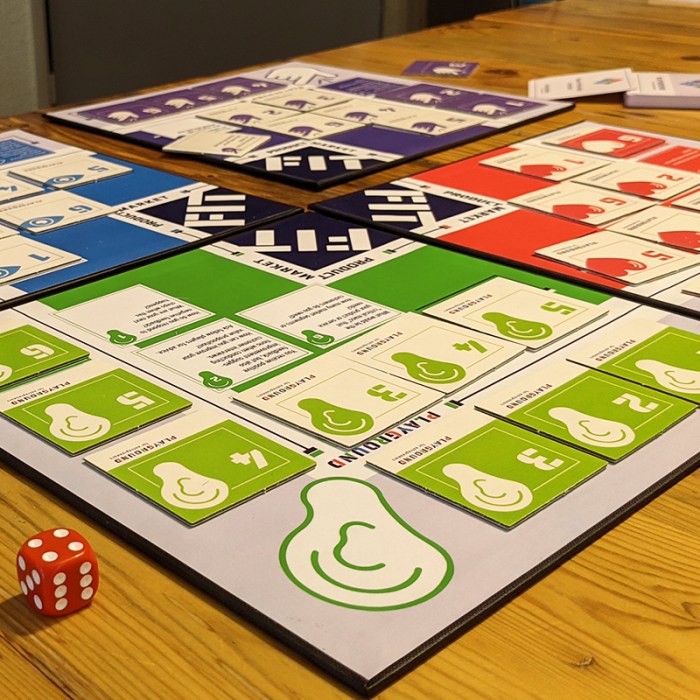
The convergence of online gaming and entrepreneurship training presents a dynamic and engaging learning environment. By leveraging the interactive nature of multiplayer games, educators can create immersive experiences that effectively teach crucial entrepreneurial skills and concepts. This approach moves beyond passive learning, fostering active participation and collaborative problem-solving, vital for success in the business world.Online multiplayer games offer a unique opportunity to simulate real-world business challenges in a safe, controlled environment.
Aspiring entrepreneurs can experiment with different strategies, learn from their mistakes without significant real-world consequences, and develop crucial skills like risk assessment, strategic planning, and resource management in a highly engaging format. However, challenges exist in designing effective games that accurately reflect the complexities of the business world while maintaining an enjoyable and rewarding player experience. Balancing realism with entertainment is key to success.
Opportunities and Challenges of Online Multiplayer Games for Entrepreneurship Training
Online multiplayer games offer several advantages for entrepreneurship training. The interactive nature of these games allows for immediate feedback and the opportunity to learn from both successes and failures within a simulated environment. Features such as leaderboards and competitive elements can motivate learners and foster a sense of accomplishment. However, challenges include ensuring the game accurately reflects the complexities of the business world, maintaining player engagement, and addressing potential issues of fairness and balance within the game mechanics.
Furthermore, designing games that cater to diverse learning styles and skill levels is crucial for broad accessibility and effectiveness. Successfully navigating these challenges requires careful game design and iterative testing to ensure a positive learning experience.
Facilitating Collaboration and Knowledge Sharing Among Aspiring Entrepreneurs Through Online Platforms
Online platforms provide powerful tools for facilitating collaboration and knowledge sharing amongst aspiring entrepreneurs. Features such as in-game chat, forums, and collaborative workspaces allow learners to interact with each other, share ideas, and learn from each other’s experiences. These platforms can also connect learners with mentors and industry professionals, providing access to valuable expertise and guidance. Furthermore, online platforms allow for asynchronous learning, accommodating diverse schedules and geographical locations.
The ability to access learning materials and interact with others at any time provides flexibility and convenience, increasing the accessibility of entrepreneurship training. Successful examples include online business simulation games that incorporate collaborative projects and shared resources, requiring teamwork and communication to achieve common goals.
Features Enhancing Engagement and Effectiveness of Online Entrepreneurship Training Games
A well-designed online entrepreneurship training game needs several key features to be more engaging and effective than its offline counterparts. Firstly, realistic simulations of market dynamics and competitive landscapes are crucial. These simulations should present learners with authentic challenges and opportunities, forcing them to apply their knowledge and skills in a practical context. Secondly, immediate feedback mechanisms, such as real-time performance indicators and market responses, provide learners with continuous insights into the consequences of their decisions.
Thirdly, integrated tutorials and mentoring systems offer guidance and support, assisting learners as they navigate the complexities of the game. Finally, gamification elements, such as points, badges, and leaderboards, increase motivation and encourage continued engagement. These features work in tandem to create a dynamic and rewarding learning experience.
Examples of Successful Online Entrepreneurship Training Games and Their Design Elements
While specific examples of widely-used, commercially available online entrepreneurship training games might require further research for accurate identification and detailed analysis, we can conceptually analyze effective design elements. Imagine a game where players start with a small business idea and must navigate the challenges of product development, marketing, finance, and human resources. The game could incorporate elements of resource management, strategic decision-making, and competitive market analysis.
Successful design elements would include a clear progression system with increasing difficulty, realistic market simulations that respond to player actions, and opportunities for collaboration and knowledge sharing among players. The game’s visual style and user interface should be intuitive and engaging, encouraging players to invest time and effort in learning and development. A robust feedback system providing clear insights into the consequences of each decision would also be vital.
Comparison with Fighting Games and Business Games
Entrepreneurship training games, fighting games, and business simulation games, while vastly different on the surface, share surprising common ground. All three genres rely on strategic decision-making, resource management, and adaptation to changing circumstances to achieve victory, though the nature of these elements varies considerably. This comparison will illuminate the unique strengths of each genre and explore the potential for cross-pollination of ideas.
Entrepreneurship Training Games vs. Fighting Games: Key Differences
Entrepreneurship training games prioritize the development of business acumen and strategic thinking within a simulated market environment. Gameplay typically involves tasks like market research, product development, financial management, and team building. In contrast, fighting games focus on mastering complex combat mechanics, rapid decision-making under pressure, and precise execution of combos. The learning objectives are fundamentally different: one focuses on business skills, the other on reflexes and strategic combat.
While both require strategic thinking, the context and application are distinct. Fighting games demand immediate, reactive strategies, whereas entrepreneurship games encourage more calculated, long-term planning.
Entrepreneurship Training Games vs. Business Simulation Games: Similarities and Differences
Both entrepreneurship training games and established business simulation games aim to teach business principles through interactive gameplay. Similarities include the use of simulated markets, resource management, and competition with other players or AI. However, the scope and depth differ. Business simulation games often cover a wider range of business functions and may incorporate more complex economic models.
Entrepreneurship training games frequently focus on a more streamlined experience, emphasizing the core aspects of starting and growing a business, potentially sacrificing detailed realism for accessibility and ease of learning. For example, a business simulation game might model intricate supply chains, while an entrepreneurship training game might simplify this process to focus on core concepts like pricing and inventory management.
Incorporating Fighting Game Elements into Entrepreneurship Training Games
The high-pressure decision-making found in fighting games could be effectively integrated into entrepreneurship training games. Imagine a scenario where players must react swiftly to unexpected market shifts, such as a sudden competitor’s price drop or a change in consumer demand. This could be implemented through timed challenges or mini-games requiring quick analysis and strategic responses, mirroring the fast-paced decision-making crucial in fighting games.
The pressure of these moments would heighten the engagement and reinforce the importance of rapid adaptation in the business world. For instance, a sudden surge in competitor advertising might require a player to instantly adjust their marketing strategy, possibly even sacrificing short-term profit for long-term market share.
Adapting Competitive Aspects of Fighting Games for Entrepreneurship Training
The competitive element of fighting games, particularly the drive to outmaneuver and defeat opponents, can significantly enhance the engagement of entrepreneurship training games. Instead of direct combat, competition could be manifested through market share battles, innovation races, or investment rounds. Leaderboards, ranked matches, and even tournament-style competitions could foster a sense of rivalry and motivate players to refine their business strategies.
Imagine a scenario where players compete to develop and launch the most successful product within a simulated timeframe, incorporating elements of resource management, marketing, and product development. The winning player would then be ranked higher on a leaderboard, creating a tangible reward for successful strategic decision-making.
Visual Representation and Design
A compelling visual design is crucial for any successful game, and entrepreneurship training games are no exception. The visuals need to not only be engaging but also effectively communicate complex business concepts in a digestible and memorable way. A well-designed game can significantly impact player learning and retention, turning potentially dry material into an interactive and enjoyable experience.Effective visual design in an entrepreneurship training game directly impacts player engagement and understanding.
A visually appealing interface and intuitive game mechanics make the learning process more enjoyable and less daunting. Clear visual cues, for instance, can help players understand the consequences of their decisions, reinforcing the lessons learned. Conversely, poorly designed visuals can lead to frustration and confusion, hindering the learning process.
Character Design: The Entrepreneurial Avatar
Imagine our game features a customizable avatar representing the player’s entrepreneurial persona. This isn’t just a simple sprite; it’s a dynamic character that evolves visually as the player progresses through the game. Initially, the avatar might be depicted as a somewhat generic individual in simple, unbranded clothing. As the player successfully completes challenges, like securing funding or launching a product, the avatar’s appearance subtly changes.
Their clothing might become more sophisticated, reflecting the increasing success of their business. Perhaps they’ll acquire accessories like a stylish briefcase or a smartwatch, symbolic of their growing professional status. The avatar’s overall look would shift from casual to more polished and confident, mirroring the player’s growing entrepreneurial skills and expertise. This visual progression provides a clear, tangible representation of the player’s achievements, fostering a sense of accomplishment and motivating them to continue playing.
The character’s facial expressions also subtly shift, reflecting the challenges and successes they experience, providing non-verbal feedback and enhancing emotional engagement.
Interface Design: A Clean and Intuitive Dashboard
The game interface serves as the player’s command center, providing a clear and concise overview of their business’s performance. It’s designed with a clean, minimalist aesthetic, avoiding visual clutter that could distract from the core gameplay. Key metrics, such as cash flow, market share, and customer satisfaction, are displayed prominently using easily understandable charts and graphs. These visual representations of complex financial data are crucial for player comprehension.
A vibrant color scheme is employed, using green to indicate growth and red to highlight areas needing attention, providing immediate visual feedback. The interface also includes a streamlined menu system, offering easy access to various game features and tools, allowing players to focus on the strategic aspects of running their business without being bogged down by unnecessary navigation.
The overall design prioritizes clarity and efficiency, mirroring the importance of strategic decision-making in the real world of entrepreneurship.
Visual Style and Target Audience: Adapting to Different Players
The visual style of the game can be tailored to resonate with specific target audiences. For instance, a game targeting university students might feature a bright, modern aesthetic, incorporating elements of popular culture to create a sense of familiarity and engagement. The character design could be more casual and relatable, reflecting the style and preferences of this demographic.
In contrast, a game aimed at experienced business professionals might adopt a more sophisticated and minimalist style, reflecting a mature and professional tone. The interface would be more data-driven, emphasizing efficiency and precision. The character’s design would reflect professionalism and expertise. This approach ensures that the game’s visual elements align with the expectations and preferences of the target audience, maximizing player engagement and effectiveness of the training.
Closing Summary
So, are you ready to ditch the dusty textbooks and embrace a more engaging way to learn about entrepreneurship? Entrepreneurship training games offer a dynamic and effective approach to acquiring essential business skills. By combining the thrill of gameplay with the practical application of business knowledge, these games empower aspiring entrepreneurs to confidently navigate the challenges of the business world.
It’s time to play your way to success!
Key Questions Answered
What age group are these games suitable for?
It varies! Some are designed for high school students, while others cater to university students or even experienced professionals. The game descriptions usually specify the target audience.
Are these games only for beginners?
Absolutely not! Many games offer varying levels of difficulty and complexity, making them suitable for both beginners and experienced entrepreneurs looking to refine their skills.
Can I play these games offline?
Some are online-only, leveraging multiplayer features and online communities. Others can be played offline, offering a more self-paced learning experience.
How much do these games cost?
Prices vary widely. Some are free-to-play with in-app purchases, while others are one-time purchases or subscription-based.


